Cold Front Triggers Strong Winds, Halts Sea Crossings in Bahia; Waves May Reach 2.5 Meters
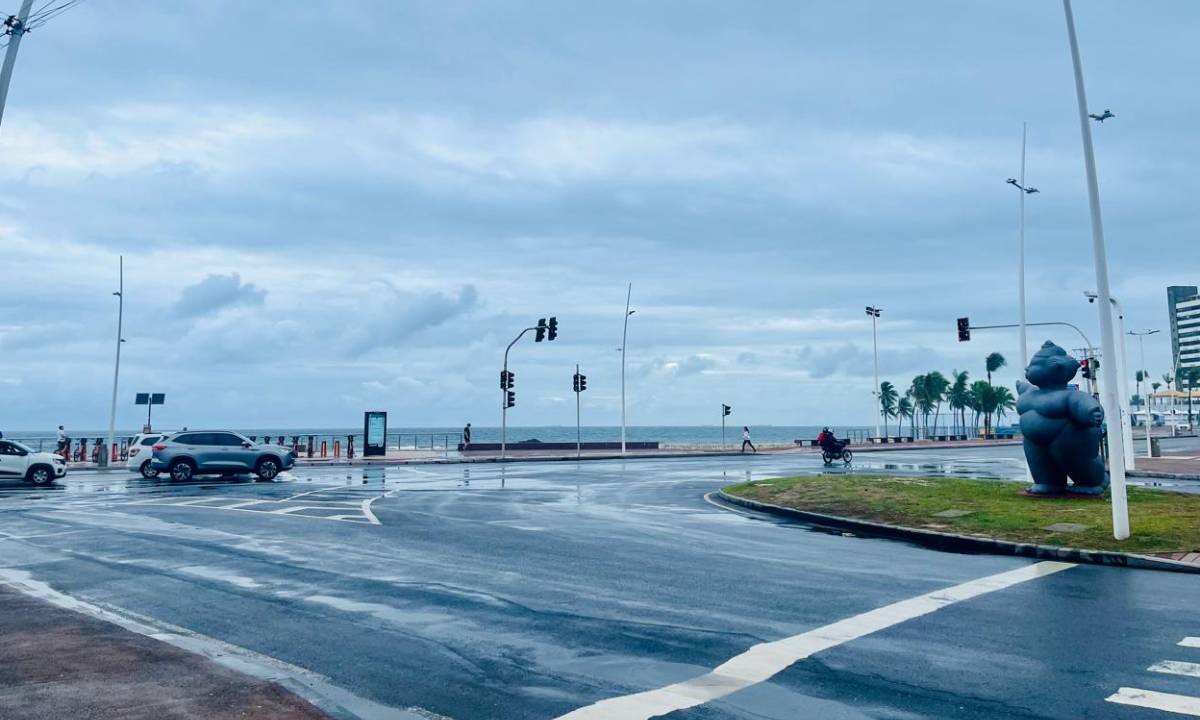
A cold front has caused significant weather changes across Bahia, Brazil, leading to the suspension of maritime crossings from Salvador to Ilha de Itaparica, Morro de São Paulo, and Boipeba on Wednesday, April 15th. Strong winds, reaching up to 60 km/h in Salvador, and rough seas are the primary reasons for the suspension. The Brazilian Navy indicated that the weather shift is linked to the approaching cold front, which could also cause abnormal sea level rises between Bahia and Alagoas states. Waves are predicted to reach heights of up to 2.5 meters. Earlier, on Tuesday, April 14th, the Institute of Environment and Water Resources (Inema) and the National Institute of Meteorology (Inmet) had already issued alerts for heavy rain and strong wind gusts in Salvador and other municipalities. The severe weather follows windstorms on Monday (13th) and Tuesday (14th) that caused roof damage and tree falls in Eunápolis and Itanhém, located in southern Bahia. In Eunápolis, a woman and her two cats required rescue by firefighters after their home partially collapsed. Authorities are advising residents in affected areas to monitor weather updates and follow civil defense guidelines. Inmet has issued warnings for heavy rain in 50 cities, including Salvador and surrounding metropolitan and Recôncavo regions, with rainfall potentially reaching 50 mm per day on Wednesday. Residents are cautioned against seeking shelter under trees and parking vehicles near transmission towers or billboards due to strong wind gusts.
The severe weather event in Bahia highlights the vulnerability of coastal communities and transportation infrastructure to meteorological shifts. The suspension of maritime services and warnings issued by meteorological institutes underscore the importance of robust early warning systems and public preparedness. Future planning should consider the increasing frequency and intensity of extreme weather events, potentially exacerbated by climate change, and invest in resilient infrastructure and adaptive strategies. Evaluating the effectiveness of current civil defense protocols and communication channels will be crucial to minimize risks and ensure public safety in similar future occurrences, prompting a review of urban planning regulations in relation to potential wind and flood impacts.
AI-generated to prompt reflection — not editorial opinion, not advice, not a statement of fact. How this works.