Cold Hunters: Brazil's Serra de SC Thrives on Winter Tourism and Snow Dreams
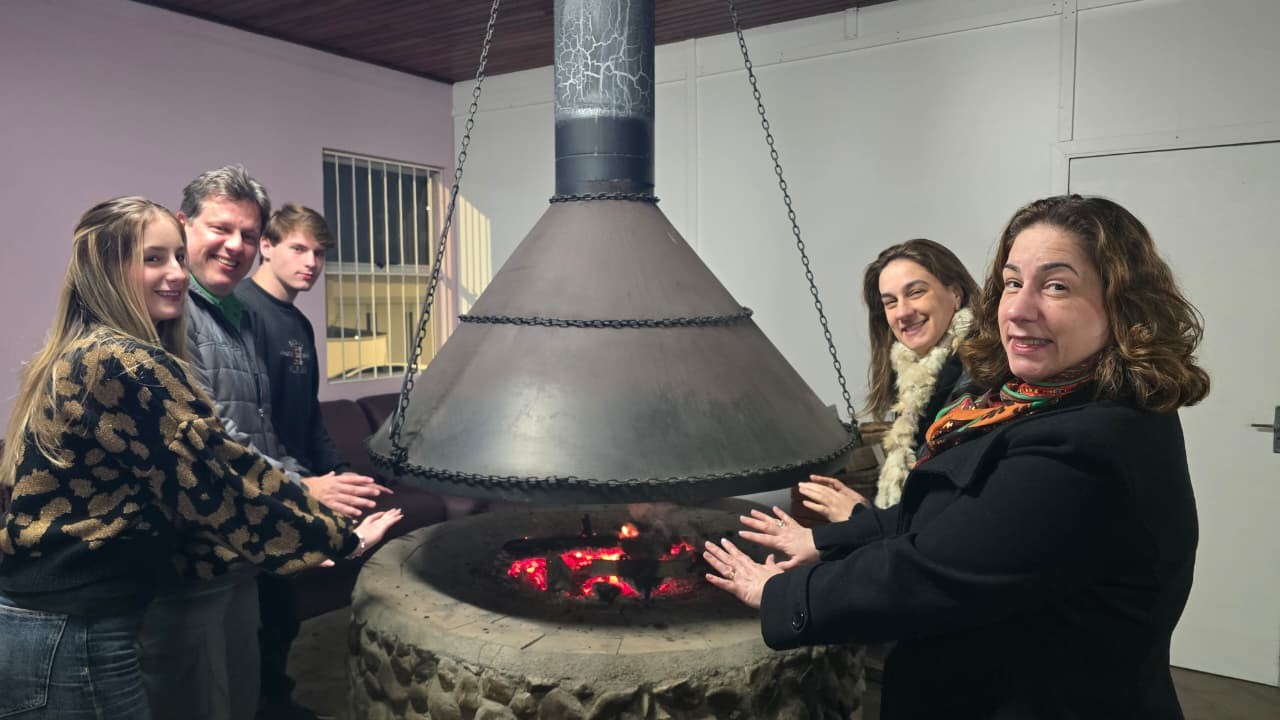
Thousands of visitors flock to the Serra de Santa Catarina region in Brazil annually, driven by the dream of experiencing snow and winter landscapes without leaving the country. This "cold hunting" tourism phenomenon significantly boosts the economy in cities like São Joaquim, Urubici, Urupema, and Bom Jardim da Serra, which are renowned for frost and snow events. Tourists, referred to as "cold hunters," travel in search of low temperatures, with some families traveling from as far as São José do Rio Preto, São Paulo, to witness these natural occurrences. While not always guaranteed, the anticipation of snow and the unique cold climate attract visitors seeking a distinctive Brazilian winter experience. The Serra de SC, with altitudes ranging from 900 to 1,500 meters, is recognized as Brazil's coldest region, and has recorded snow episodes in recent years. Specific locations like São Joaquim's Vale Caminhos da Neve, Urupema's Morro das Antenas, Urubici's Vacas Gordas, and Bom Jardim da Serra's Terra do Gelo are popular spots for experiencing these cold phenomena. A study by Fecomércio-SC indicates that "cold hunters" primarily travel by car, often in groups, with a significant portion being between 31 and 50 years old, and predominantly male. The average expenditure per group of visitors reached a record R$3,550 in the past year, highlighting the economic impact of this niche tourism. Despite the primary draw of snow, the region offers diverse attractions, ensuring visitors remain engaged even if snow doesn't materialize. The increased demand for weather forecasts also underscores the climate's influence on tourism and local interest.
The "cold hunting" tourism trend in Brazil's Serra de Santa Catarina exemplifies how climate and natural phenomena can create significant economic opportunities, particularly in regions with unique microclimates. This phenomenon highlights a growing desire among domestic tourists to experience distinct natural events, potentially reducing reliance on international travel. The economic data, including increased visitor spending and job creation in the tourism sector, demonstrates the tangible benefits of this specialized tourism. However, the success of this model is intrinsically tied to unpredictable weather patterns, posing a challenge for long-term economic planning. Future development could explore diversifying attractions to mitigate risks associated with climate variability, ensuring sustained economic growth beyond the allure of seasonal cold.
AI-generated to prompt reflection — not editorial opinion, not advice, not a statement of fact. How this works.