Cold mornings expected in Minas Gerais' Triângulo and Alto Paranaíba regions
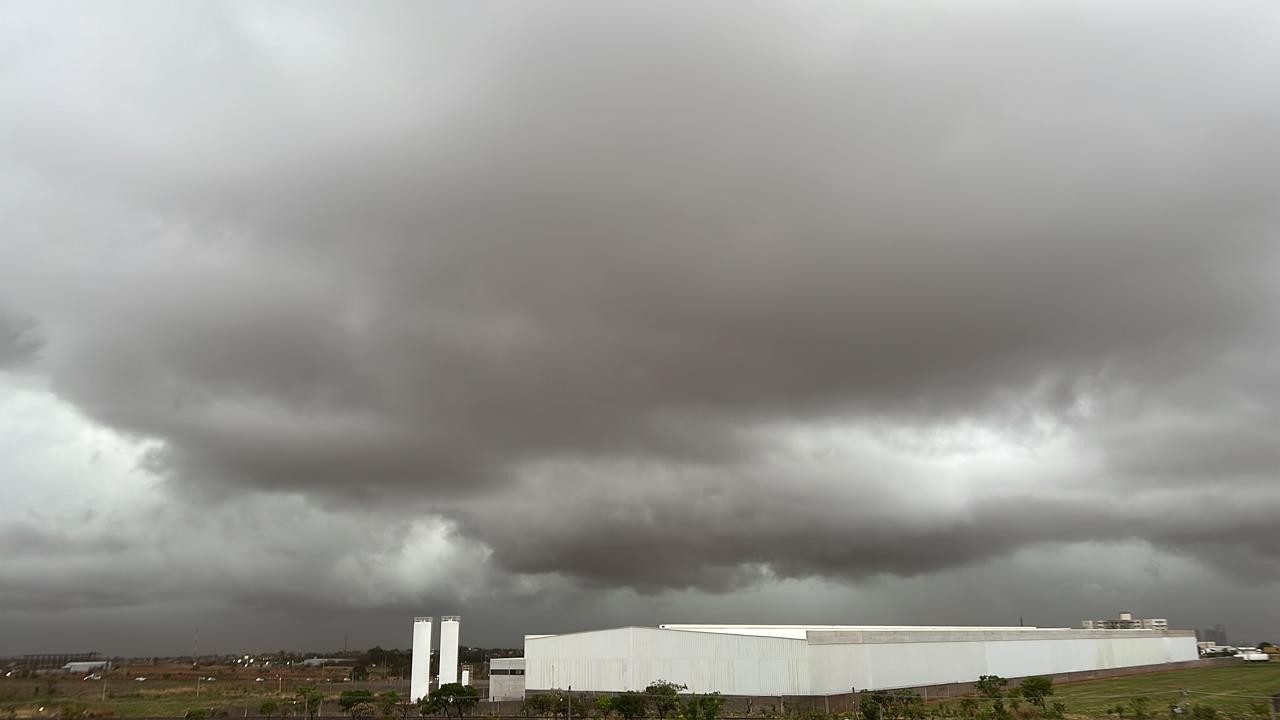
The Triângulo Mineiro and Alto Paranaíba regions in Minas Gerais are set to experience colder mornings this third week of July, with temperatures potentially dropping to a low of 8°C. A cold air mass is expected to influence the area from Monday, July 13th, to Sunday, July 19th, causing morning lows to range between 8°C and 11°C. Despite the chilly starts, afternoons are predicted to be milder, with maximum temperatures reaching up to 31°C in both regions, followed by a temperature drop in the evenings. Geographer William Borges noted that rural areas and cities in Alto Paranaíba will feel the cold most intensely due to the polar air mass's persistence over the Southeast region. He highlighted that morning temperatures would likely fall below 10°C, accompanied by very low relative humidity. The weather is expected to remain mostly stable throughout the week, with only a slight chance of isolated, light rain that is not anticipated to be significant. The National Institute of Meteorology (Inmet) reported that Araxá could see lows as low as 8°C, while Paracatu might experience highs up to 31°C. Uberlândia is forecast to have morning lows of 10°C and afternoon highs of 29°C. This forecast contrasts with earlier reports of higher temperatures and rain at the start of winter in the Triângulo Mineiro.
This meteorological report details a temporary shift towards cooler mornings in specific Brazilian regions, driven by a cold air mass. The analysis focuses on the interplay of atmospheric conditions and their localized impact, noting diurnal temperature variations and humidity levels. The information presented is factual and observational, devoid of political or economic framing. The forecast serves as a practical guide for residents, illustrating how predictable weather patterns can be managed through awareness and preparation. Future climate trends may influence the frequency and intensity of such cold spells, but current data reflects a standard seasonal variation.
AI-generated to prompt reflection — not editorial opinion, not advice, not a statement of fact. How this works.