Cold or Hot Compress: Which to Use for Pain Relief?
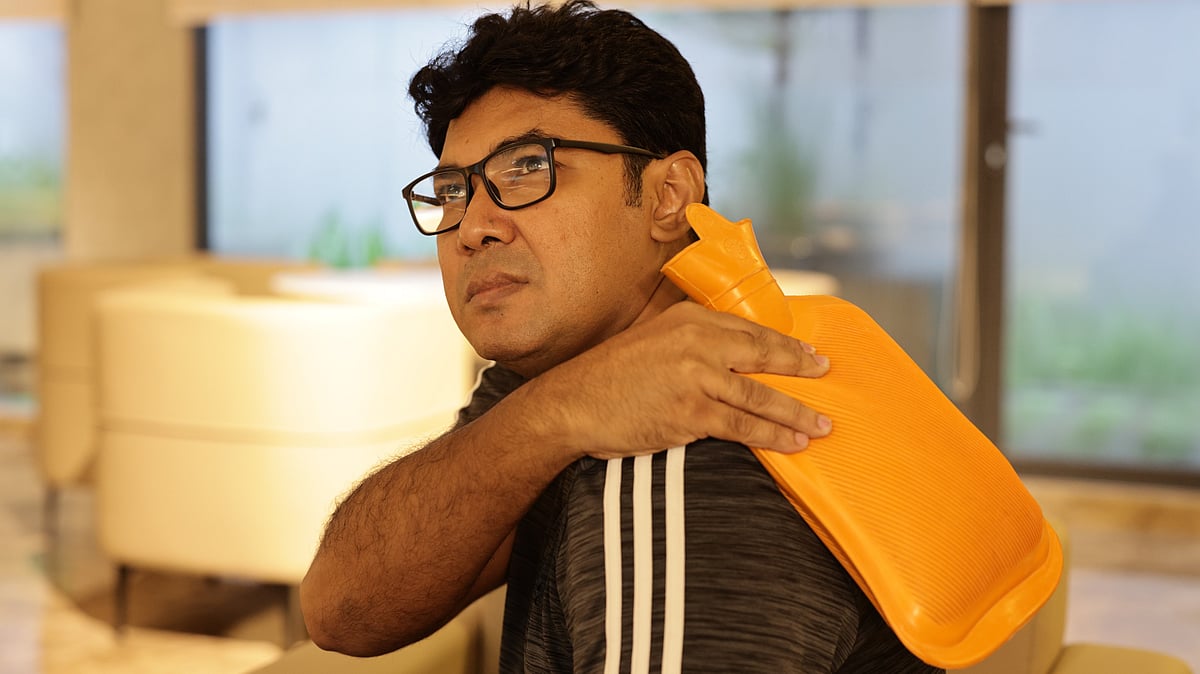
When experiencing pain, the choice between a cold or hot compress depends on the nature, duration, and body's condition. This principle applies to athletes as well, who often use various compress methods after injuries. Cold compresses are recommended for new or acute injuries such as sprains, falls, sports-related trauma, swelling, or inflammation, particularly within the first 24 to 72 hours. To apply, wrap ice or an ice pack in a cloth and use for 15 to 20 minutes, ensuring direct skin contact is avoided. Conversely, hot compresses are beneficial for chronic conditions like long-term back or neck pain, muscle strains, post-exercise muscle stiffness, osteoarthritis pain, and stiffness in the shoulders or back. Athletes often use heat to increase blood circulation for stiff muscles or chronic pain. Application involves using a hot water bag or heat pack for 15 to 20 minutes. In summary, cold is for new injuries and swelling, while heat is for old pain and muscle stiffness. It is crucial to avoid direct application to wounds and exercise caution with conditions like diabetic neuropathy where sensation is reduced. Seek medical advice for severe pain, fever, excessive swelling, or persistent pain.
The article effectively differentiates the therapeutic applications of cold and heat therapy for various pain conditions, emphasizing that a one-size-fits-all approach is inappropriate. This distinction is crucial for optimizing recovery and preventing further injury. From a systemic perspective, understanding these basic physiological responses empowers individuals to manage minor ailments effectively, potentially reducing unnecessary healthcare visits. However, the advice to consult a physician for persistent or severe symptoms highlights the importance of professional medical guidance when self-care measures are insufficient. Future advancements may integrate wearable technology to provide real-time feedback on optimal compress application based on physiological markers, further personalizing pain management.
AI-generated to prompt reflection — not editorial opinion, not advice, not a statement of fact. How this works.