Cold Snap Eases in Brazil's Vale Region, With Another Front Expected Next Week
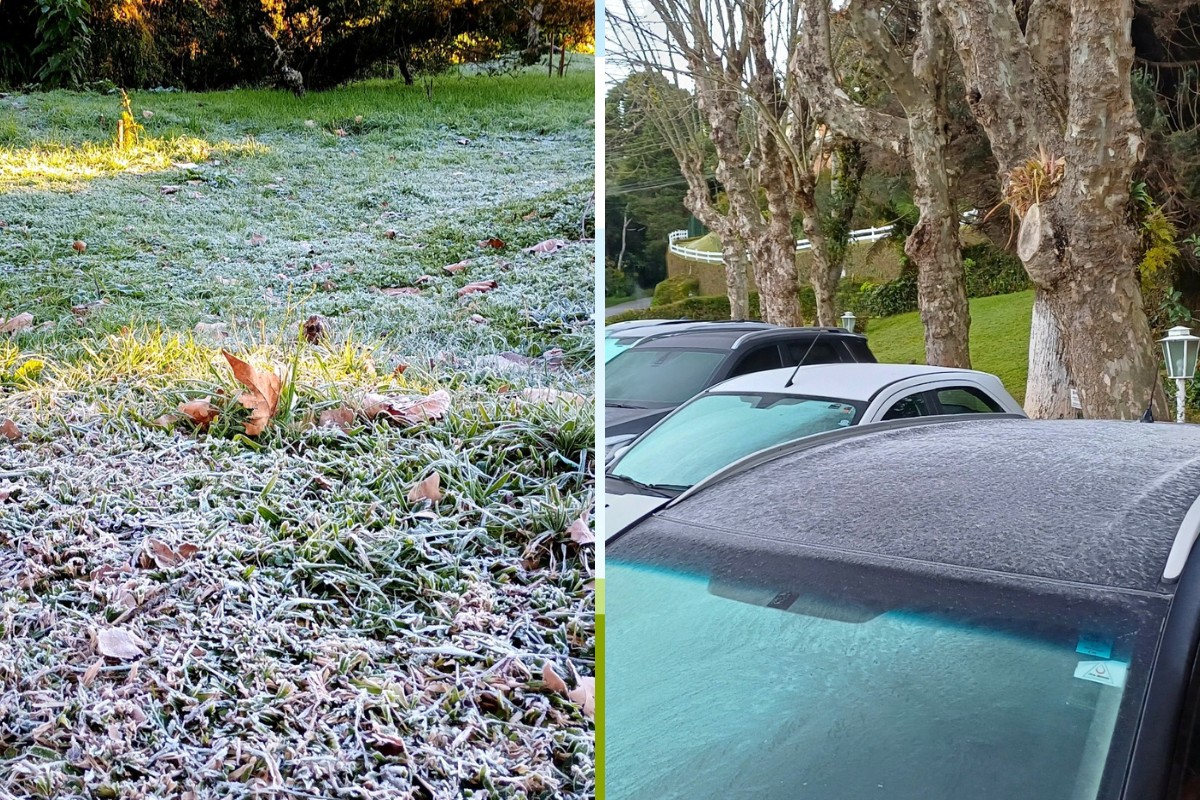
The cold weather that brought frost and a -1.3°C wind chill to Campos do Jordão is gradually losing strength in Brazil's Vale do Paraíba region. However, meteorologists at Cemaden (National Center for Monitoring and Natural Disaster Alerts) predict a new cold front will arrive next week, causing temperatures to drop again. The current cold is attributed to a polar air mass following a recent cold front, typical for July, the coldest month on average. Low temperatures are expected to persist through Wednesday, with lows below 10°C in Vale do Paraíba and potentially below 5°C in Serra da Mantiqueira, accompanied by a risk of frost. The North Coast anticipates temperatures around 12°C. Afternoon sun will bring gradual warming, with highs expected to be 10°C to 12°C higher than the morning lows. The National Institute of Meteorology (Inmet) also issued a warning for low air humidity, between 30% and 20%, from noon to 6 PM on Wednesday, advising increased hydration and sun protection. Daily temperature ranges are expected to widen to about 15°C as temperatures rise slowly, by 1°C to 2°C per day. This shift indicates a move towards more stable, sunnier weather compared to the cloudier, wetter autumn and early winter. Temperatures are forecast to rise slightly by the weekend, but a new cold front approaching by Tuesday, July 21st, is expected to bring another significant temperature decrease.
The current weather pattern in Vale do Paraíba reflects a typical mid-winter dynamic influenced by polar air masses and frontal systems, a phenomenon predictable within established meteorological models. The warning regarding low humidity highlights a public health consideration, emphasizing the need for individual preparedness in response to environmental conditions. Looking ahead, the cyclical nature of these weather events suggests that while periods of warmth may offer temporary relief, the region should anticipate continued variability. This underscores the importance of robust infrastructure and public information systems capable of adapting to and communicating such predictable, yet impactful, atmospheric shifts, particularly as climate models suggest potential alterations in the frequency and intensity of such events over the coming decade.
AI-generated to prompt reflection — not editorial opinion, not advice, not a statement of fact. How this works.