Cold Snap Freezes Pastures in São Paulo; Temperatures Near 0°C
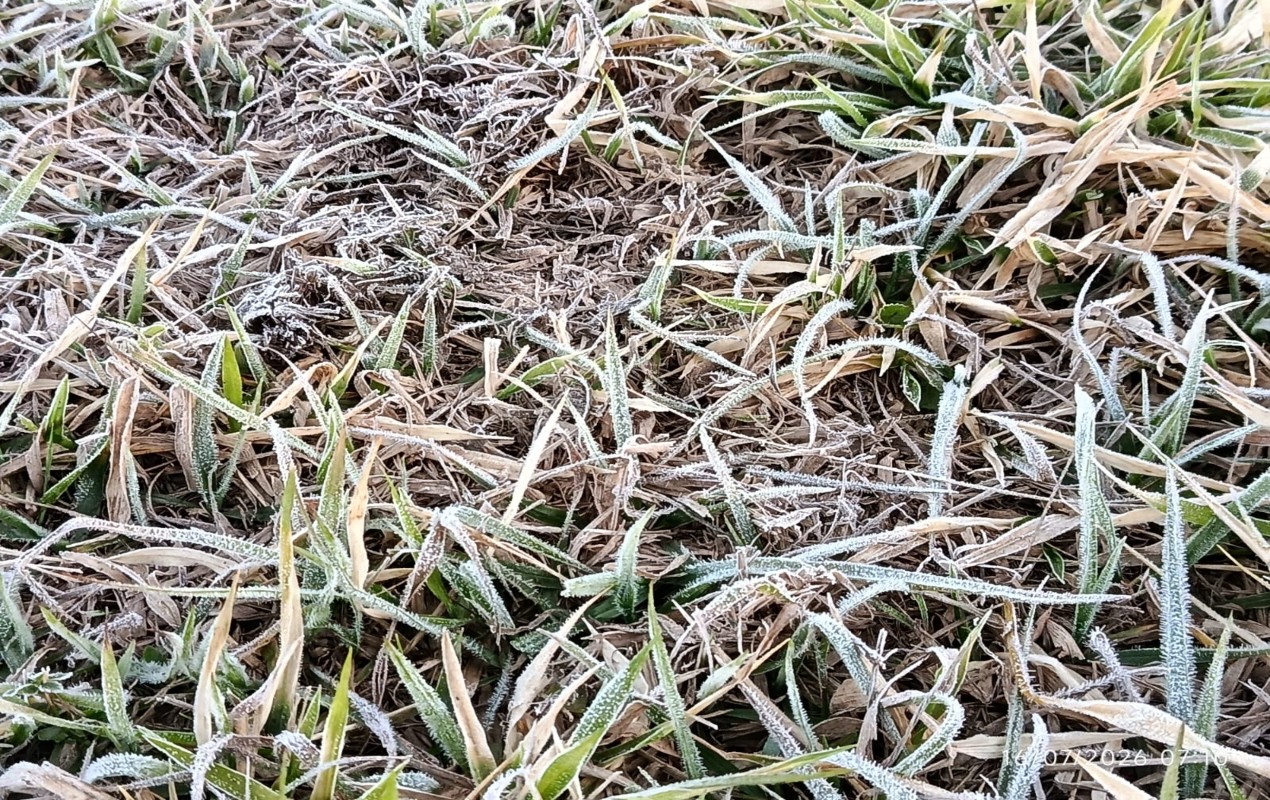
A strong polar air mass has caused temperatures to plummet in southwestern São Paulo, Brazil, resulting in frost on the morning of Thursday, June 16th. In Bom Sucesso de Itararé, located on the border with Paraná, thermometers registered a low of 0.1°C at dawn. The intense cold also froze lawns and set a yearly record in Itapetininga, where the temperature reached 3.5°C. Residents captured images of a thin layer of ice covering pastures and lawns in Bom Sucesso de Itararé around 7 AM. Despite the freezing conditions, the municipal administration noted that the town has experienced even colder days in 2026, with frost in early July and a low of -0.8°C in May. In response to the continued cold forecast for the Itapetininga and Sorocaba regions, the State Civil Defense issued an alert advising preventive measures. These include increased attention to keeping children, the elderly, homeless individuals, and pets warm, ensuring rooms are minimally ventilated to prevent respiratory virus spread, and avoiding improvised heating methods like burning charcoal or alcohol indoors due to fire and carbon monoxide poisoning risks. The Civil Defense also recommended caution for drivers on regional highways, as the combination of humidity and extreme cold can create dense fog, reducing visibility and increasing accident risks.
This event highlights the vulnerability of regional infrastructure and populations to extreme weather events, exacerbated by climate shifts. The cold snap in São Paulo underscores the need for robust public health and safety protocols, particularly for at-risk groups, and emphasizes the importance of reliable forecasting and communication. As such phenomena may become more frequent or intense, urban planning and agricultural practices may require adaptation to mitigate economic and social impacts. The advisory on heating methods points to systemic challenges in providing safe and affordable warmth during cold periods, a growing concern in many regions facing unpredictable weather patterns.
AI-generated to prompt reflection — not editorial opinion, not advice, not a statement of fact. How this works.