Collapsible Poles Could Enhance Road Safety in Campinas Accidents
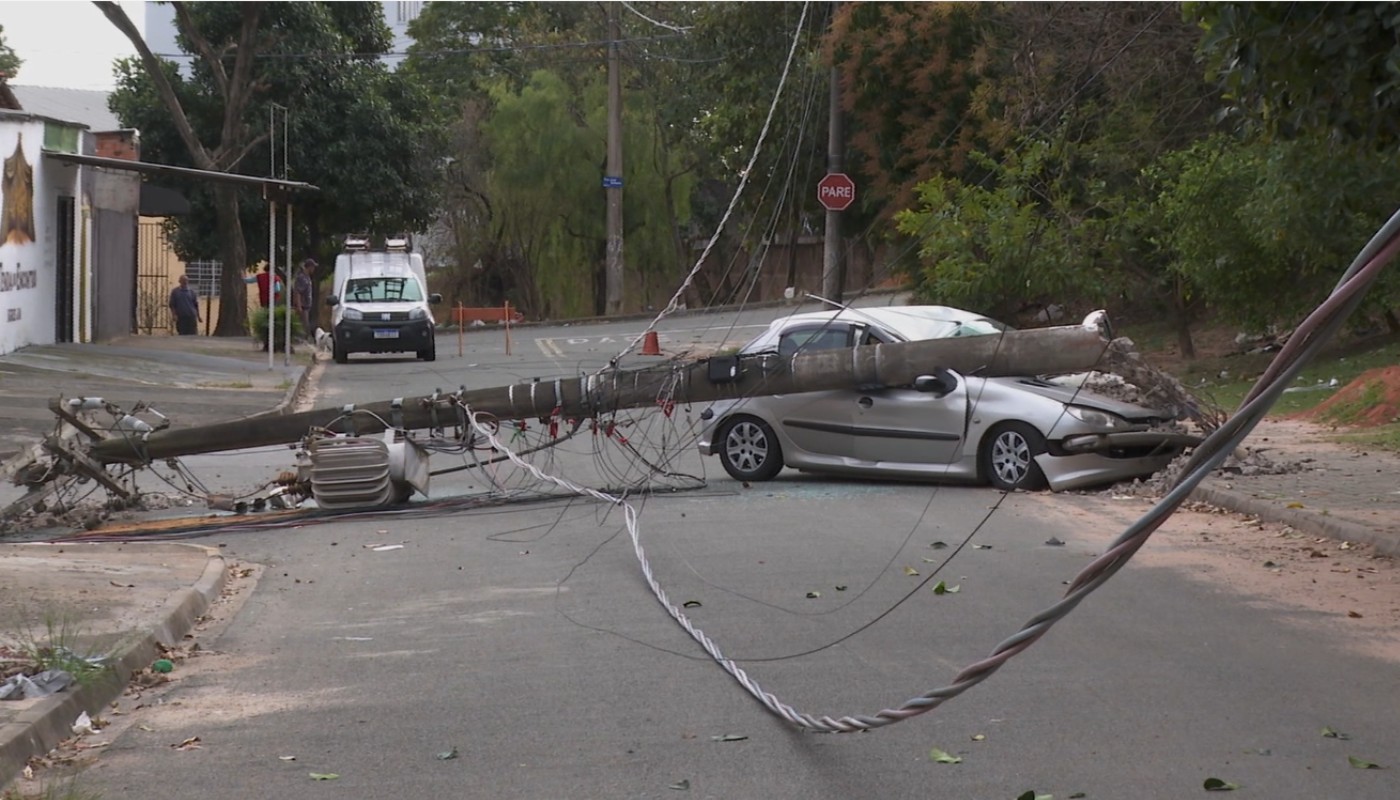
Between June and July 2026, the Campinas region in São Paulo, Brazil, experienced at least 13 accidents involving damage or collapse of energy poles, according to EPTV, an affiliate of Rede Globo. Professor of Civil Engineering, Helena Arias Lara Leite, suggests that implementing collapsible poles, designed to yield or deform controllably upon impact, could significantly reduce risks for drivers and minimize property damage. She explained that the severity of an impact with a pole depends on the vehicle's mass, size, and speed. When a traditional pole doesn't fall, the full force of the impact is transferred to the vehicle, posing a danger to the driver. Collapsible poles, conversely, offer improved road safety and reduced accident risks. This type of collision has been on the rise in the region since early 2026, with CPFL Paulista, the energy concessionaire, reporting a 20.4% increase. Beyond the risk of fatalities for drivers and pedestrians, fallen poles can also lead to power outages in nearby neighborhoods and incur substantial financial costs for those responsible for the accidents, with pole replacement costs reaching up to R$ 14,000. Despite the potential benefits of collapsible poles, experts emphasize that the primary method to prevent such accidents is adherence to traffic regulations, which is also identified as the main cause of these collisions. Professor Lara Leite added that drivers typically lose control of their vehicles due to excessive speed for the prevailing conditions, leading them to hit poles.
The reported increase in pole collisions in Campinas highlights a critical intersection of infrastructure design and driver behavior. While collapsible poles offer a promising engineering solution to mitigate the kinetic energy transfer during accidents, thereby enhancing vehicle occupant safety and reducing infrastructure damage, their adoption hinges on economic and regulatory considerations. The analysis of accident causation points to excessive speed and loss of control as primary drivers, suggesting that infrastructure improvements alone may not fully address the problem. A comprehensive approach would involve not only exploring advanced pole designs but also reinforcing traffic law enforcement and public awareness campaigns focused on responsible driving speeds. Over the next decade, as vehicle automation and connectivity advance, the integration of smart infrastructure, including impact-sensing poles, could further optimize traffic safety systems. However, the cost-effectiveness and widespread implementation of such technologies will be key determinants of their impact on public safety.
AI-generated to prompt reflection — not editorial opinion, not advice, not a statement of fact. How this works.