Collecting Pokémon cards: Why it takes hundreds of packs to complete a set
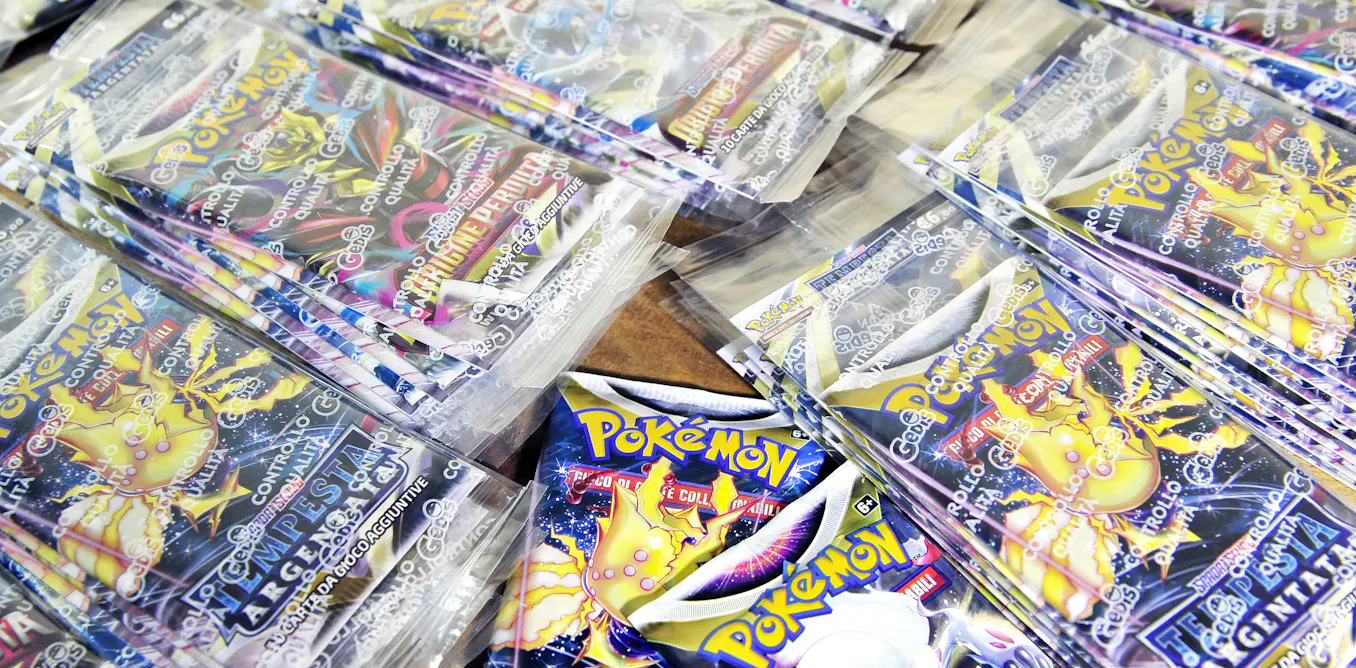
A recent mathematical simulation has shed light on the challenging nature of completing a full set of Pokémon trading cards. The study reveals that, on average, collectors would need to purchase hundreds of card packs to acquire every unique card. This is primarily due to the rarity and distribution of cards within booster packs. Many of the cards obtained through this process are likely to be common or less desirable, adding to the frustration of collectors aiming for completion. The simulation highlights the statistical improbability of efficiently collecting all desired cards without significant expenditure and luck. This underscores the economic model of collectible card games, where the pursuit of rare items drives continuous purchasing. The findings offer a quantitative perspective on the collector's dilemma, explaining the long road to 'catching 'em all'.
The economics of collectible card games like Pokémon are designed around the principle of scarcity and the pursuit of rare items. Mathematical simulations demonstrating the high number of packs required to complete a set illustrate the inherent 'gambling' aspect of these products. This model incentivizes repeat purchases by making full collection a statistically improbable and costly endeavor through random distribution. From a systems perspective, this approach leverages psychological principles of completionism and rarity to drive consumer spending, a strategy common in many industries but particularly pronounced in the collectibles market. The long-term sustainability of such models depends on maintaining player engagement and perceived value, even as the cost of entry for full collection escalates.
AI-generated to prompt reflection — not editorial opinion, not advice, not a statement of fact. How this works.