College Lab Mishap Exposes 32 Students to Deadly Pathogen
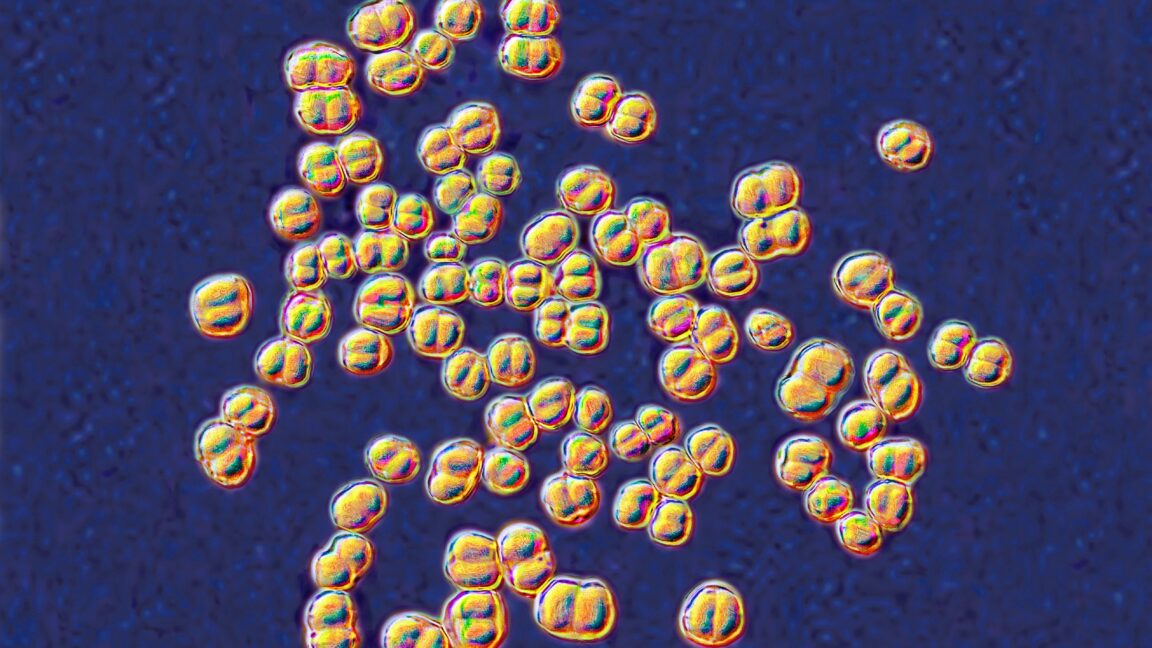
A routine college laboratory class at an unspecified institution took a dangerous turn when 32 students were potentially exposed to a deadly pathogen. The students were initially tasked with identifying a mild germ as part of their coursework. However, they mistakenly identified a highly dangerous pathogen instead. Following the incident, all 32 individuals were placed on a course of antibiotics as a precautionary measure. The specific nature of the deadly pathogen and the exact circumstances leading to the misidentification have not been disclosed. The educational institution has not yet released a statement regarding the incident or the safety protocols that were in place.
This incident highlights critical vulnerabilities in laboratory safety protocols, particularly within educational settings where the handling of biological materials is routine. The exposure of 32 students to a deadly pathogen, even if precautionary antibiotics were administered, raises questions about the adequacy of training, supervision, and containment procedures. In an era increasingly reliant on scientific advancement, ensuring robust safety frameworks is paramount to fostering innovation without compromising public health. Future considerations should include enhanced risk assessment for educational labs, mandatory refresher training on pathogen identification and handling, and potentially implementing more stringent verification steps before students engage with potentially hazardous materials. The long-term implications may prompt a broader review of biosafety standards across academic institutions to prevent similar near-misses or actual exposures.
AI-generated to prompt reflection — not editorial opinion, not advice, not a statement of fact. How this works.