Colniza Water Supply Disrupted for Days After Asphalt Emulsion Spill
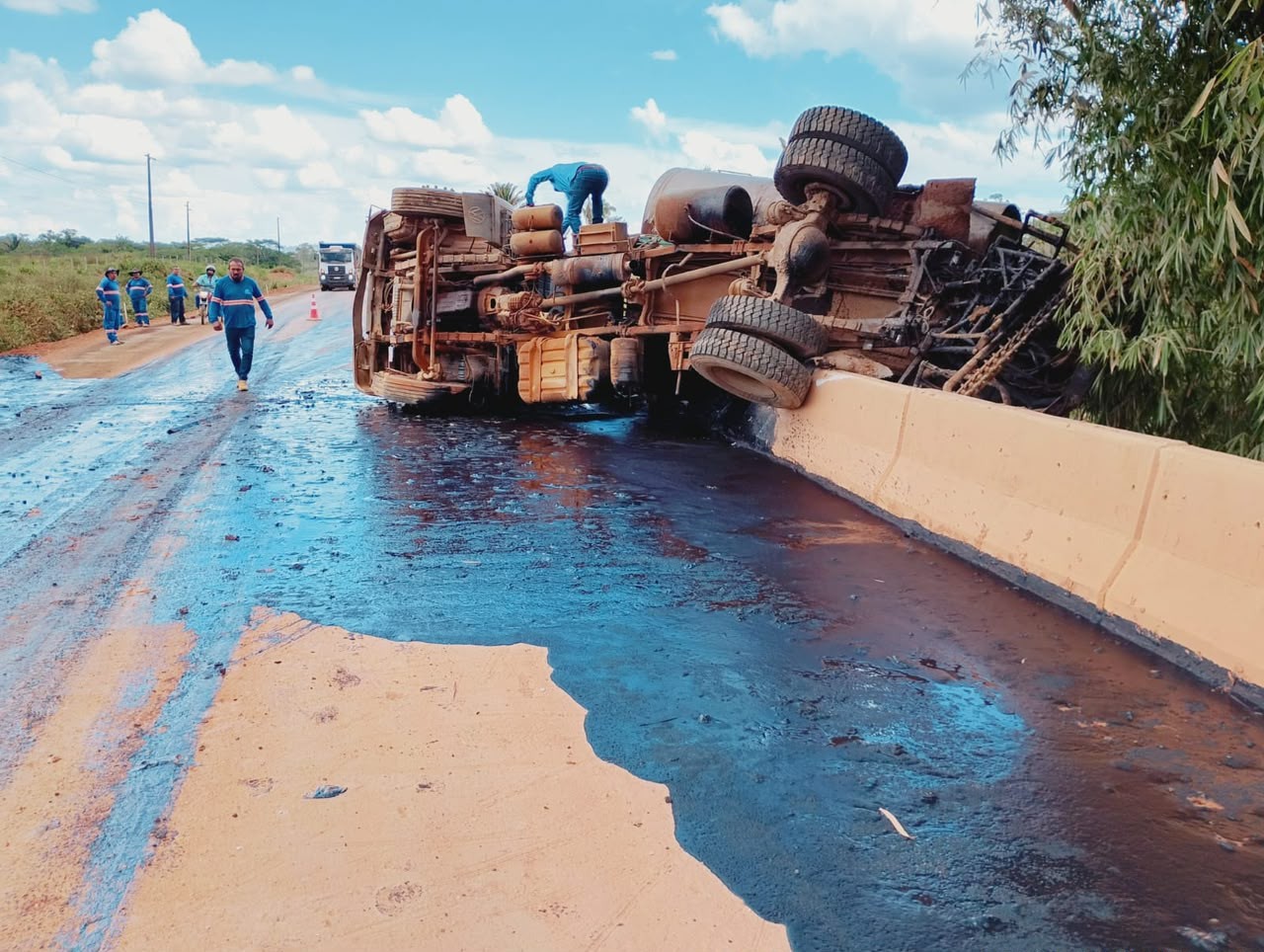
Residents of Colniza, Mato Grosso, Brazil, have been rationing water for four days following a truck accident on Friday, October 10th. The truck, carrying asphalt emulsion RR-2C, overturned on a bridge, spilling a portion of its cargo into a local river. This incident has contaminated the city's water source, leading to a compromised supply. The asphalt emulsion, composed of petroleum asphalt cement, water, and rapid-break emulsifying agents, poses potential health and environmental risks if improperly handled, according to ANTT regulations. Mayor Miltinho stated that while an exact date for service normalization is unknown, the city expects the situation to be resolved within four days. The municipality is working to shift water intake to another river, a process that requires time to re-establish the supply. Some neighborhoods were expected to see water return on Monday, but full city-wide restoration will take longer. A team from the Mato Grosso State Secretariat of Environment is on-site assessing water quality. The company responsible for the spilled cargo is cooperating with the city to mitigate the accident's impact. Emergency services provided guidance to the company and city officials on decontamination procedures for the soil and stream, which will be handled by a specialized environmental recovery firm. In the interim, the mayor urges residents to conserve water for essential uses only and avoid non-critical activities like washing vehicles or pavements.
This incident highlights the critical infrastructure vulnerabilities associated with transporting hazardous materials through populated areas. The contamination of a primary water source underscores the need for robust emergency response protocols and environmental safeguards, particularly concerning the long-term ecological impact of such spills. The reliance on alternative water sources, while a necessary immediate solution, points to the systemic risks of single-point dependencies in municipal water systems. Future planning should consider diversifying water sources and enhancing spill containment technologies to build greater resilience against such disruptions, ensuring public health and environmental integrity are prioritized in logistical operations.
AI-generated to prompt reflection — not editorial opinion, not advice, not a statement of fact. How this works.