Colombia Elects Abelardo De la Espriella in Tight Presidential Race
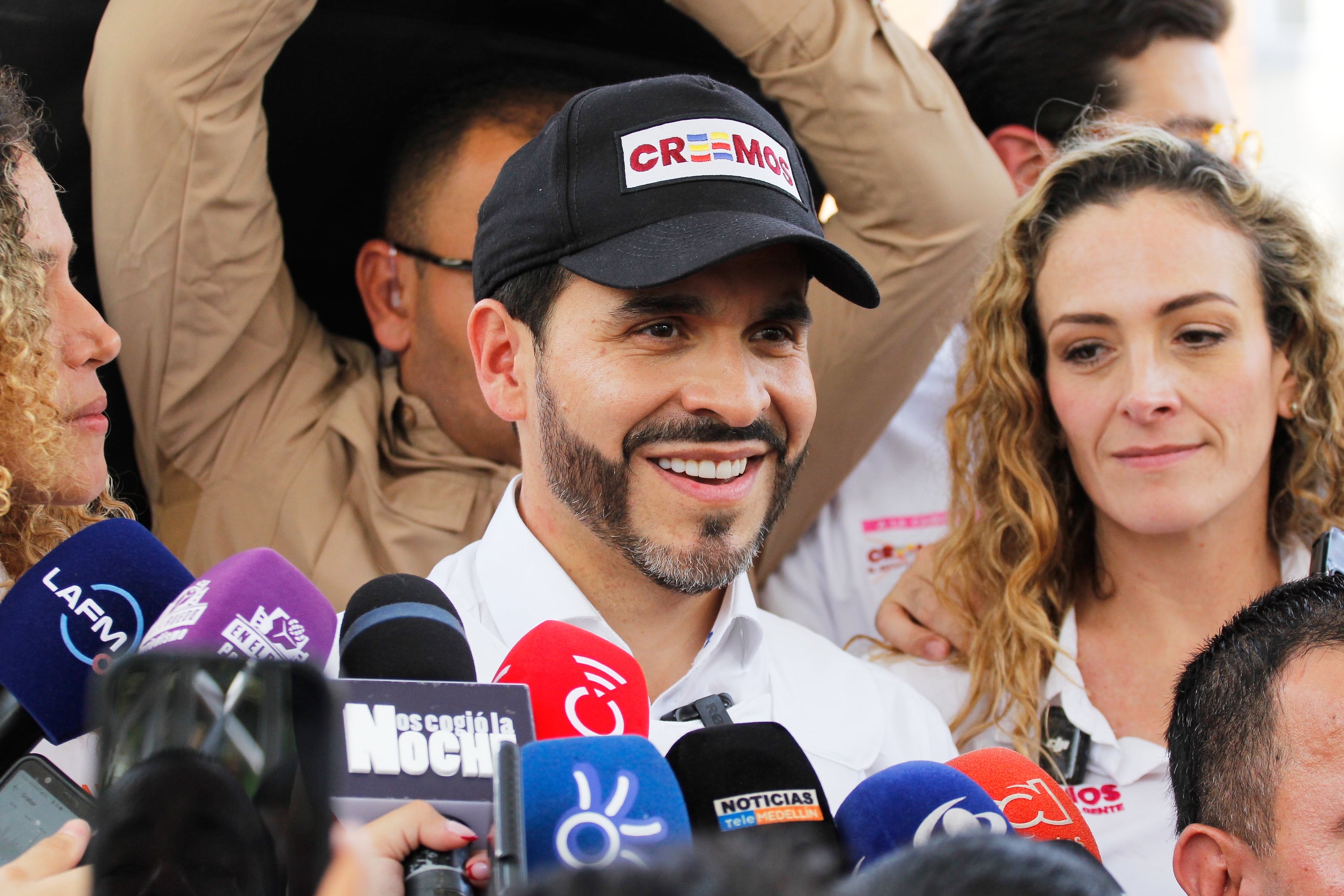
In a historically close election, Abelardo De la Espriella has been elected president of Colombia, narrowly defeating his opponent Iván Cepeda by 251,854 votes, a margin of one percentage point. This marks the tightest runoff in three decades, with the new president set to assume office on August 7th. Despite the close outcome, voter turnout was a record high for Colombia, reaching 63.59% with over 26.3 million people casting ballots, a significant increase from the 58% turnout in the first round. Blank votes accounted for 1.63%, totaling 426,788.
The incoming administration faces substantial challenges, including persistent insecurity across various regions, economic deterioration, job creation, combating corruption, addressing the needs of remote areas, restoring investor confidence, and strengthening institutions. President-elect De la Espriella will also need to mend relationships with business sectors, trade unions, workers, and young people seeking opportunities.
De la Espriella's victory was largely attributed to his focus on security, resonating with citizens weary of escalating public disorder, crime, and the influence of organized crime in border regions and territories. His platform of a "tough on crime" approach found favor in a nation struggling with armed groups, extortion, kidnapping, and drug trafficking. However, he inherits a deeply divided country and must navigate a complex political landscape, including a strong opposition and a fragmented Congress, necessitating continuous negotiation to advance his agenda. His message post-victory emphasized national unity, calling for a balance between firmness and dialogue, and acknowledging that his win reflects both voter fatigue and a hope for the future.
The election outcome in Colombia signifies a public mandate prioritizing security and order, reflecting a potential shift in national sentiment away from previous governance approaches. The narrow victory suggests a deeply polarized electorate, presenting the new administration with the challenge of governing a divided nation. Future success will likely hinge on the president-elect's ability to bridge political divides and foster consensus, particularly given the fragmented congressional landscape which necessitates compromise. The administration's effectiveness in addressing core issues like economic stability, corruption, and regional development, while balancing security concerns with civil liberties, will be critical in shaping Colombia's trajectory over the next decade. This election underscores the evolving dynamics of public trust and the demand for tangible improvements in daily life, particularly in the face of organized crime and economic uncertainty.
AI-generated to prompt reflection — not editorial opinion, not advice, not a statement of fact. How this works.