Colombia's Petro Threatens General Strike Over Potential Reform Reversals
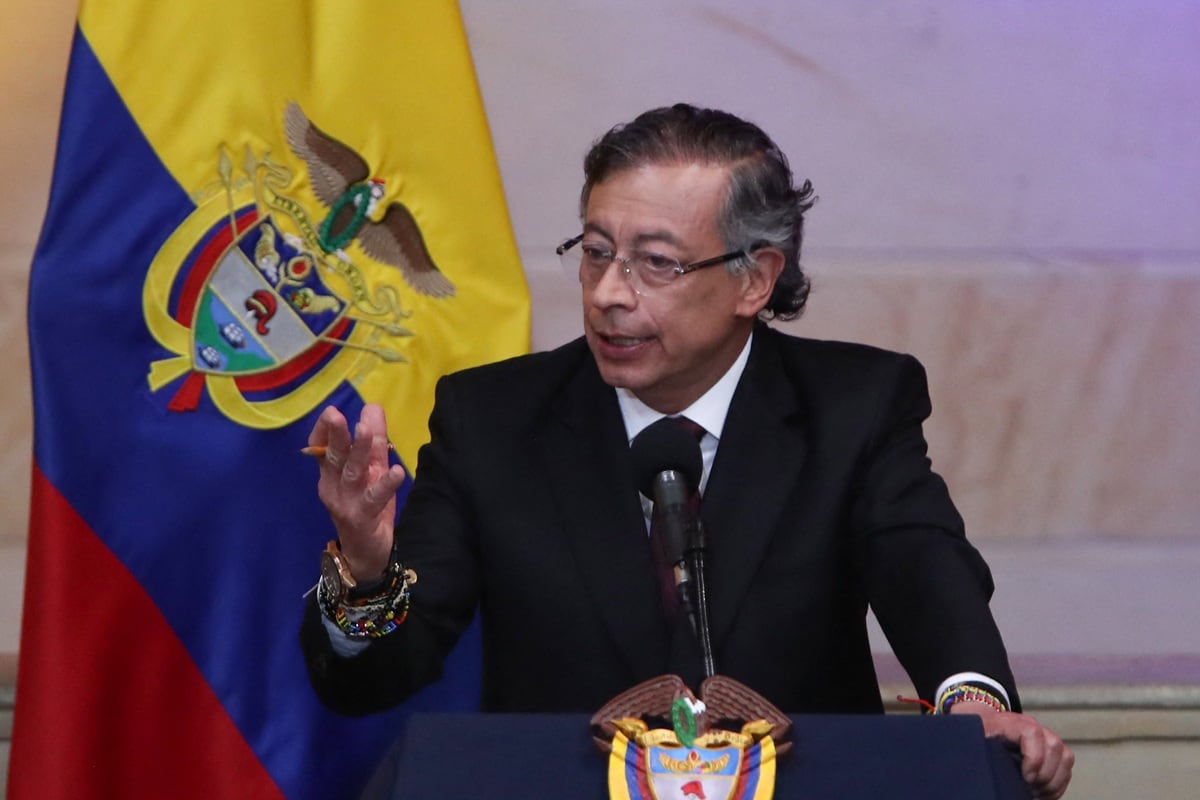
Outgoing Colombian President Gustavo Petro has called for a "general and indefinite strike" if his successor's administration, led by Abelardo de la Espriella who takes office on August 7, decides to repeal his administration's labor reform or reverse the agrarian reform. Petro issued this warning on Monday, indicating his intention to mobilize citizens in protest against any significant rollback of his key policy initiatives. The potential strike represents a significant challenge to the incoming government and highlights the deep political divisions within Colombia. Petro's call suggests a willingness to engage in direct action to defend his legislative agenda. The specific reforms mentioned, labor and agrarian, are central to his political platform and aim to address long-standing social and economic inequalities in the country. The outcome of this political standoff remains to be seen, but it sets a tense precedent for the transition of power.
President Petro's call for a general strike signals a high-stakes political confrontation over policy continuity. This action frames the upcoming administration's potential reform reversals not just as policy disagreements but as existential threats to his legacy and the country's social fabric. Such a strategy leverages public mobilization to exert pressure, potentially creating significant governance challenges for the incoming president. The effectiveness of this tactic will depend on the breadth of public support and the incoming administration's response, highlighting the delicate balance between executive power, legislative intent, and popular mandate in a democratic system. This situation underscores the importance of institutional mechanisms for policy review and public consultation to ensure stability during political transitions.
AI-generated to prompt reflection — not editorial opinion, not advice, not a statement of fact. How this works.