Colombia's President-Elect Accuses Current President Petro of Planning a Coup
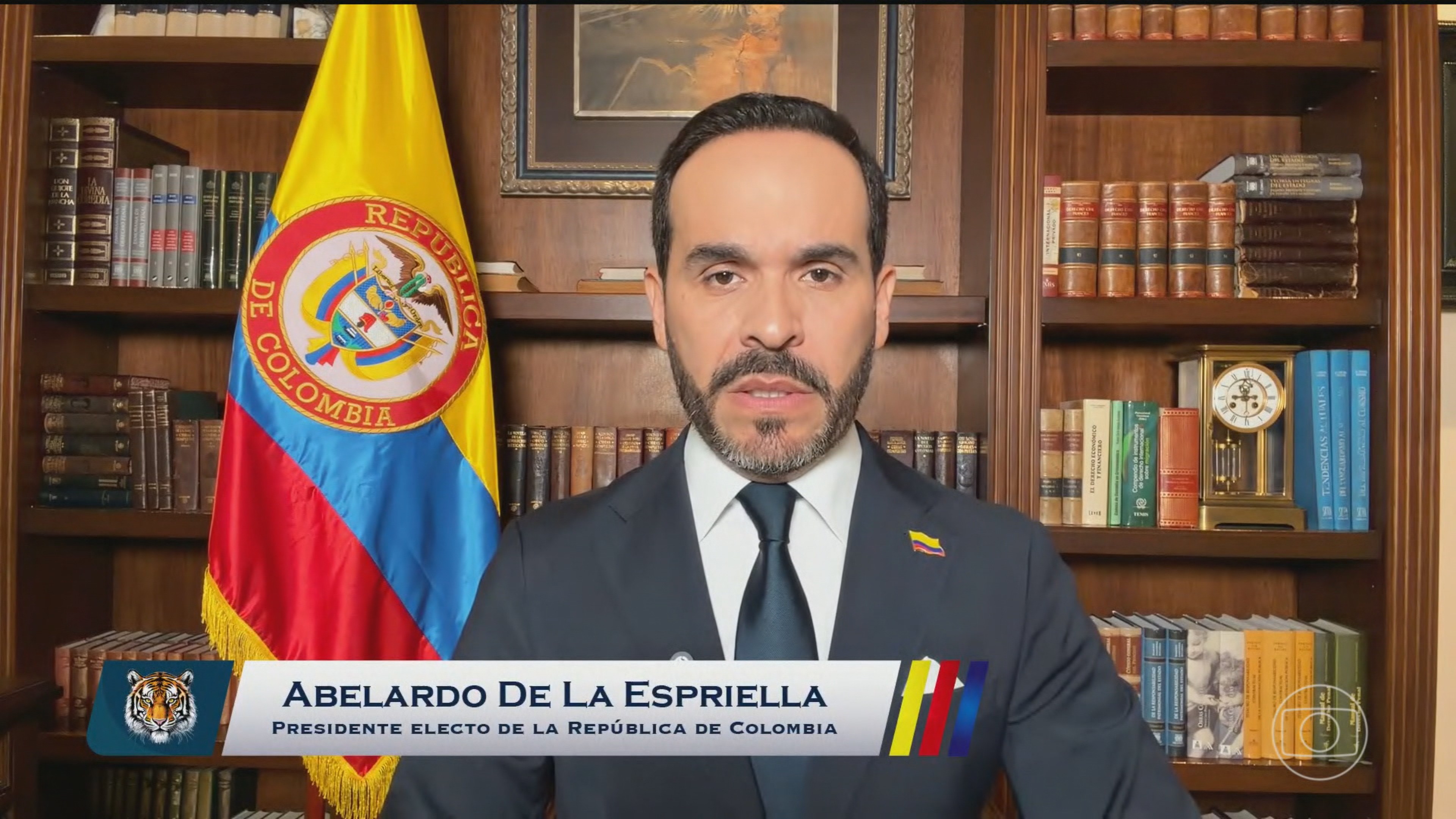
Colombia's President-Elect Abelardo de la Espriella has announced the suspension of the power transition, accusing current President Gustavo Petro of plotting a coup to remain in office. De la Espriella made the announcement via social media, stating he ordered the immediate halt of the transition process with what he described as a "corrupt government" that is "seeking to destroy Colombia." He further addressed the Colombian Armed Forces, urging them to uphold their oath to protect the Constitution and democracy, and to disregard any orders from Petro that contradict this duty.
This development follows Petro's refusal to recognize the June presidential election results, which saw his government's candidate, Ivan Cepeda, narrowly defeated by the right-wing candidate, Abelardo de la Espriella. Petro had alleged electoral fraud, but international observers have dismissed these claims and confirmed the opposition's victory. In response, President Petro countered on social media, accusing de la Espriella of violating the Constitution with foreign assistance and denying any orders to the military to disregard constitutional order. De la Espriella, an attorney and political newcomer, was elected on a platform of aggressively combating drug cartels, a stance contrasted with the current administration's failed peace negotiations with armed groups amidst Colombia's worst wave of violence in a decade. The inauguration of the new president is scheduled for August 7.
The escalating rhetoric between Colombia's president-elect and the current president signals a significant institutional challenge, potentially rooted in differing interpretations of electoral legitimacy and constitutional authority. The president-elect's public appeal to the military, framed as a defense of democracy, could be viewed through the lens of power consolidation or a strategic maneuver to assert authority amidst contested election results. The current president's counter-accusations of foreign interference and constitutional violations highlight the complex geopolitical and domestic factors at play. Moving forward, the adherence to established legal and constitutional frameworks by both parties, alongside transparent oversight from international bodies and domestic institutions, will be crucial in navigating this period of heightened political tension and ensuring a stable transfer of power, preventing any actions that could undermine democratic norms or national stability.
AI-generated to prompt reflection — not editorial opinion, not advice, not a statement of fact. How this works.