Colombia's State Council Halts Talks with 'Segunda Marquetalia' Dissident Group
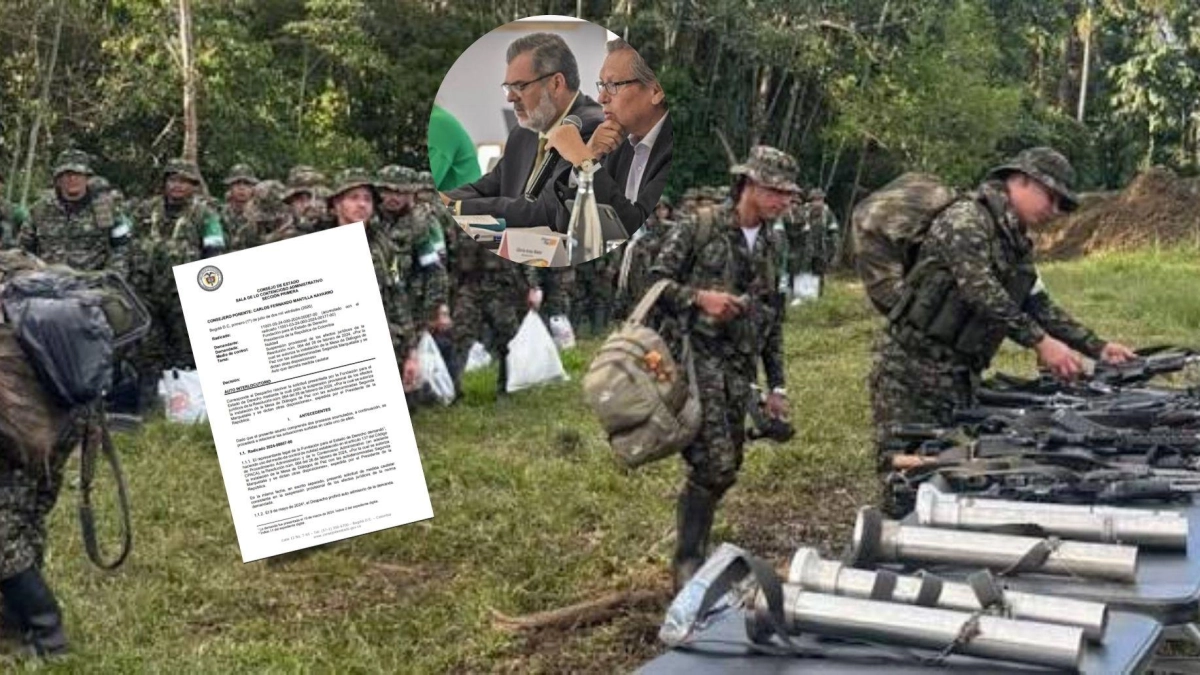
Colombia's State Council has suspended dialogue with the dissident group known as 'Segunda Marquetalia,' led by Iván Márquez. This decision follows a legal challenge arguing that the group is the same as the 'Coordinadora Ejército Bolivariano.' The government maintains that no formal negotiation is underway with this specific dissidence. The move has generated significant reactions, particularly concerning the peace process in the Nariño and Putumayo regions. The State Council's ruling implies a halt to any ongoing or potential discussions, raising questions about the future of peace efforts in areas heavily impacted by armed groups. The plaintiff's assertion that the 'Segunda Marquetalia' is merely a rebranding of the 'Coordinadora Ejército Bolivariano' is central to the legal challenge. This legal maneuver could significantly complicate the government's strategy for engaging with armed factions. The specific implications for ongoing security and social programs in Nariño and Putumayo remain a key concern for local communities and authorities.
The State Council's suspension of dialogue with the 'Segunda Marquetalia' highlights the complex legal and political frameworks governing peace negotiations in Colombia. This decision underscores the critical importance of clear definitions and verifiable identities of armed groups engaging in or seeking to engage in peace processes. Such legal scrutiny, while potentially slowing down dialogue, serves to ensure accountability and prevent groups from circumventing previous agreements or legal standings through mere name changes. The ruling prompts a re-evaluation of the government's engagement strategies, emphasizing the need for robust due diligence and adherence to established legal processes. This situation presents a trade-off between the urgency of peacebuilding and the necessity of rigorous legal compliance, a dynamic likely to shape future peace initiatives in the region and beyond.
AI-generated to prompt reflection — not editorial opinion, not advice, not a statement of fact. How this works.