Colombia's Supreme Court Approves Land Transfer to Indigenous Community After Floods
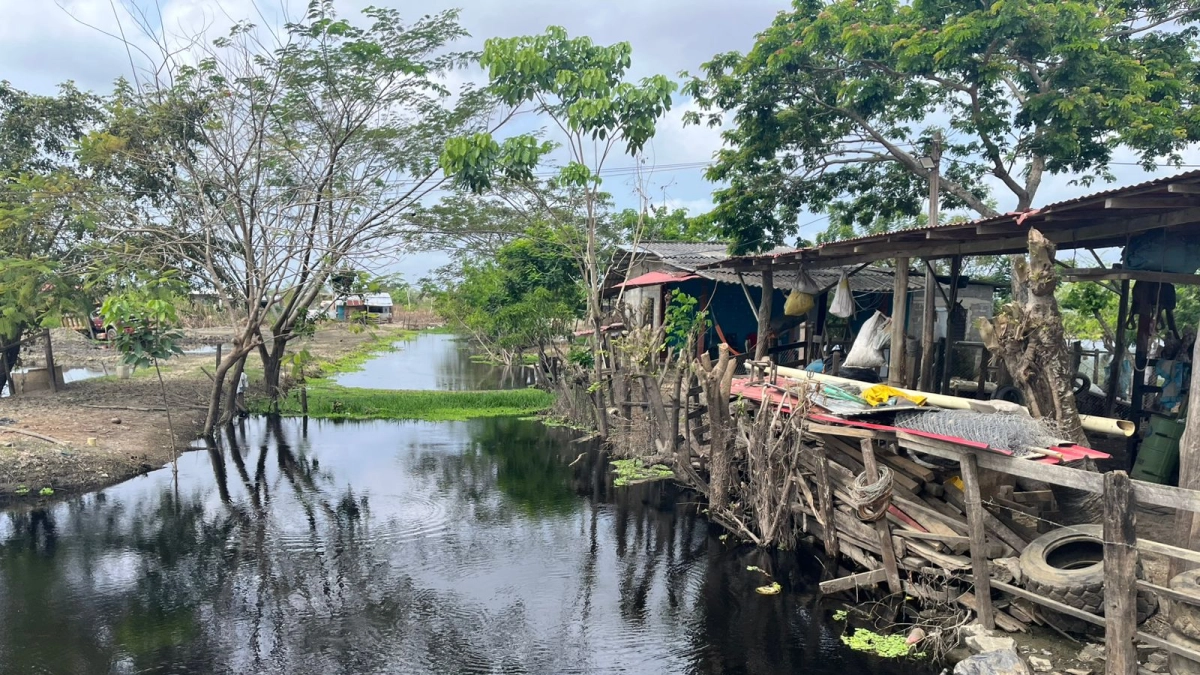
The Supreme Court of Justice of Colombia has ruled in favor of transferring land to the Zenú indigenous community in Córdoba. This decision comes in response to a humanitarian emergency caused by recent flooding in the region. The central point of contention was the property known as 'No Hay Como Dios,' a parcel of land exceeding 22 hectares situated in a rural area of Montería. The court's ruling aims to address the urgent needs of the Zenú community, who have been severely impacted by the natural disaster. The land transfer is intended to provide a more secure and stable environment for the community following the devastating floods. This legal precedent underscores the importance of protecting indigenous land rights, especially in the face of climate-related emergencies. The court's intervention highlights the judiciary's role in ensuring the well-being and resilience of vulnerable populations.
The Supreme Court's decision to expedite land transfer to the Zenú community in Córdoba following flood-related humanitarian emergencies reflects a judicial response to climate-induced displacement. This action prioritizes the immediate needs and land security of an indigenous group facing environmental vulnerability. Such rulings can set precedents for how legal systems address climate refugees and the protection of ancestral lands in the face of escalating natural disasters. The long-term implications involve balancing property rights with humanitarian imperatives and ensuring that infrastructure and land management practices are resilient to future climate events, thereby mitigating the cycle of displacement and emergency response.
AI-generated to prompt reflection — not editorial opinion, not advice, not a statement of fact. How this works.