Colombia Transition Tensions Rise Amid Coup Fears Before De la Espriella's Inauguration
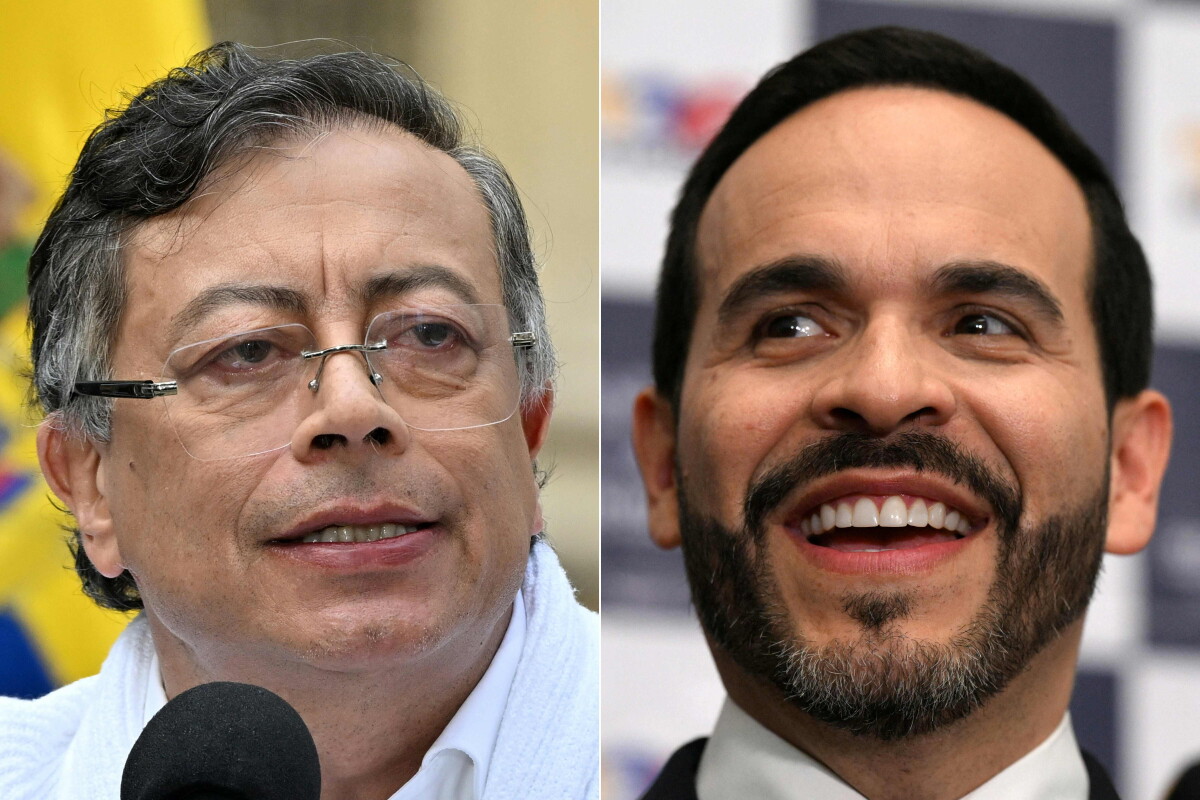
Less than a month before the presidential handover in Colombia, significant tensions have emerged within the transition process. Both the team of outgoing President Petro and the team of President-elect De la Espriella have withdrawn from the transition talks. This breakdown in communication and cooperation raises concerns about the stability of the upcoming transfer of power. Adding to the heightened alert, De la Espriella has reportedly threatened to take legal action against the current president or pursue judicial avenues. The situation has fueled an atmosphere of uncertainty and raised alarms about the potential for a coup d'état ahead of the inauguration. The specific reasons for the withdrawal from talks and the nature of De la Espriella's threats remain critical points of concern as the nation approaches this pivotal moment.
The abrupt halt in transition talks between the outgoing and incoming Colombian administrations, coupled with threats of legal action, signals a critical juncture in the nation's political process. This breakdown could stem from deep-seated policy disagreements or unresolved power dynamics, potentially destabilizing the peaceful transfer of authority. As Colombia navigates this period, the focus will be on whether institutional checks and balances can manage these escalating tensions. The future governance model will likely be shaped by how these immediate challenges are resolved, impacting investor confidence and the country's trajectory over the next decade, particularly in the context of evolving regional political landscapes and the increasing influence of digital governance.
AI-generated to prompt reflection — not editorial opinion, not advice, not a statement of fact. How this works.