Colombian Cocaine Farmers Lack Support to Abandon Illicit Crops
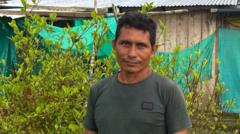
Farmers in Colombia who cultivate the raw materials for cocaine are expressing frustration over the absence of adequate support systems to transition to alternative crops. These farmers, who are essential to the global cocaine supply chain, find themselves in a difficult position as they wish to exit the illicit industry but lack the necessary resources and incentives to do so. The current situation highlights a significant gap in government and international programs designed to facilitate crop substitution. Without viable economic alternatives and robust assistance, these individuals remain tied to coca cultivation, perpetuating the cycle of drug production. The appeal from these farmers underscores the need for more comprehensive and effective strategies that address the root causes of coca farming, including providing financial aid, technical expertise, and access to stable markets for legitimate produce. The success of any eradication or substitution effort hinges on the willingness and ability of farmers to adopt new livelihoods, which requires sustained and meaningful support.
The plight of Colombian coca farmers underscores a persistent challenge in global drug control: the economic imperative often outweighs voluntary eradication efforts. While international pressure and domestic policies aim to curb cocaine production, the lack of viable economic alternatives for farmers creates a powerful incentive to continue cultivation. This situation highlights a systemic issue where crop substitution programs may be insufficient in scale, funding, or market access to compete with the established, albeit illicit, economy of coca. Future strategies may need to focus on more integrated rural development, ensuring that alternative crops offer comparable or superior financial security and market stability to coca, thereby addressing the root economic drivers of illicit cultivation. This requires sustained investment and a long-term vision that prioritizes farmer livelihoods as a critical component of drug policy effectiveness.
AI-generated to prompt reflection — not editorial opinion, not advice, not a statement of fact. How this works.