Colombian Farmers Struggle with Coca Cultivation Amidst Failed Support Programs
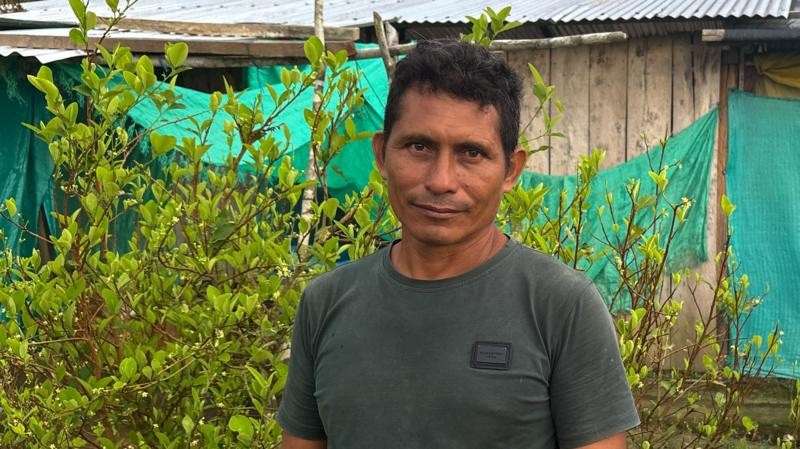
A farmer in Colombia's Meta province, identified only as Perea, has returned to cultivating coca, the raw material for cocaine, after a government program to support his transition to legal crops failed. Perea had previously replaced coca plants with cassava and bananas, but due to a lack of promised financial aid and difficulties with transportation and recurring floods, he found it impossible to sell his legal produce. Consequently, in 2024, he resumed coca cultivation, stating he had no other choice to support his family. Elena Hernández, who moved to the Guaviare region in the 1990s for better earnings from coca, also joined a national substitution program in 2017. This program, the National Integral Program for Illicit Crop Substitution (PNIS), stemmed from the 2016 peace agreement with the FARC and promised financial and technical support. However, Hernández reports significant delays in payments and a lack of consistent technical assistance, attributing the program's shortcomings to poor government commitment and coordination. The program's momentum waned as political priorities shifted, with subsequent administrations focusing more on eradication and security. Despite these challenges, some farmers, like Doralba Bejarano, have experienced improvements as delayed support eventually arrived, allowing them to live without fear of reprisal for cultivating coca. The ongoing demand for cocaine in the U.S. and Europe, coupled with emerging markets, continues to drive coca cultivation in Colombia, estimated to supply 70% of the global illegal drug. Researchers note that coca cultivation offers quick harvests, easier transport, and predictable prices, significantly boosting local economies. The current government is attempting to address these issues with a new program called RenHacemos, which aims to build on the PNIS by offering financial aid, diversifying local economies, and improving infrastructure, education, and digital connectivity. However, analysts remain skeptical about the long-term effectiveness of these strategies in creating lasting change.
The recurring cycle of farmers returning to coca cultivation in Colombia highlights systemic challenges in achieving sustainable peace and economic development. Government-led crop substitution programs, while well-intentioned, have historically struggled with implementation, including delayed or insufficient financial and technical support, and a lack of robust infrastructure. This failure to provide viable economic alternatives leaves farmers vulnerable to the lucrative but illicit coca trade, which is further fueled by persistent international demand. The current "Paz Total" policy and the RenHacemos program represent an attempt to address these complex issues by focusing on broader economic diversification and infrastructure development. However, their success will depend on sustained political will, effective inter-agency coordination, and the ability to overcome the security challenges posed by armed groups that control local economies and trafficking routes. The long-term viability of these initiatives hinges on creating an environment where legal economies can genuinely compete with the established, albeit illicit, coca market.
AI-generated to prompt reflection — not editorial opinion, not advice, not a statement of fact. How this works.