Colombian President Núñez Governed Remotely from Cartagena Using Telegraph
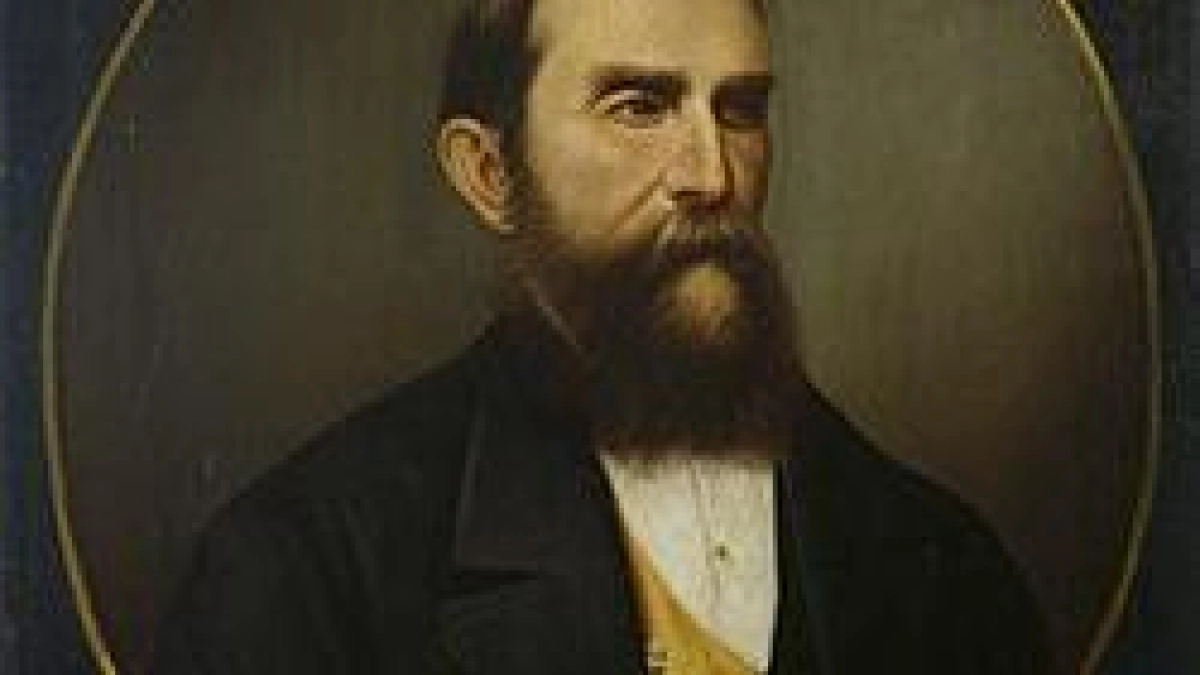
During his tenure, Rafael Núñez, then President of Colombia, governed the nation from his residence in the El Cabrero neighborhood of Cartagena de Indias. This remote governance was made possible by the use of the telegraph, which allowed for communication and administration across the country. The historical account highlights how technology enabled a leader to effectively manage national affairs from a distance. This practice is brought to mind by current discussions around decentralization. Abelardo De La Espriella, the president-elect, has proposed governing from Barranquilla, suggesting a modern parallel to Núñez's historical approach. This initiative underscores ongoing debates about the centralization versus decentralization of governmental power and operations within Colombia. The potential shift to governing from Barranquilla reflects a contemporary interest in distributing administrative functions and presence across different regions of the country.
The historical precedent of Rafael Núñez governing remotely via telegraph illustrates the enduring challenge of balancing centralized authority with regional representation. Modern proposals to govern from different cities, such as Barranquilla, reflect evolving technological capabilities and potentially shifting political priorities. This approach could foster greater regional engagement and address disparities, but it also raises questions about logistical complexities, equitable resource allocation, and the potential for fragmented national governance. The effectiveness of such decentralized models hinges on robust communication infrastructure and clear lines of accountability, particularly in the context of an increasingly interconnected and AI-driven future.
AI-generated to prompt reflection — not editorial opinion, not advice, not a statement of fact. How this works.