Colombian Sugarcane Sector Prepares for El Niño, Focusing on Water and Production
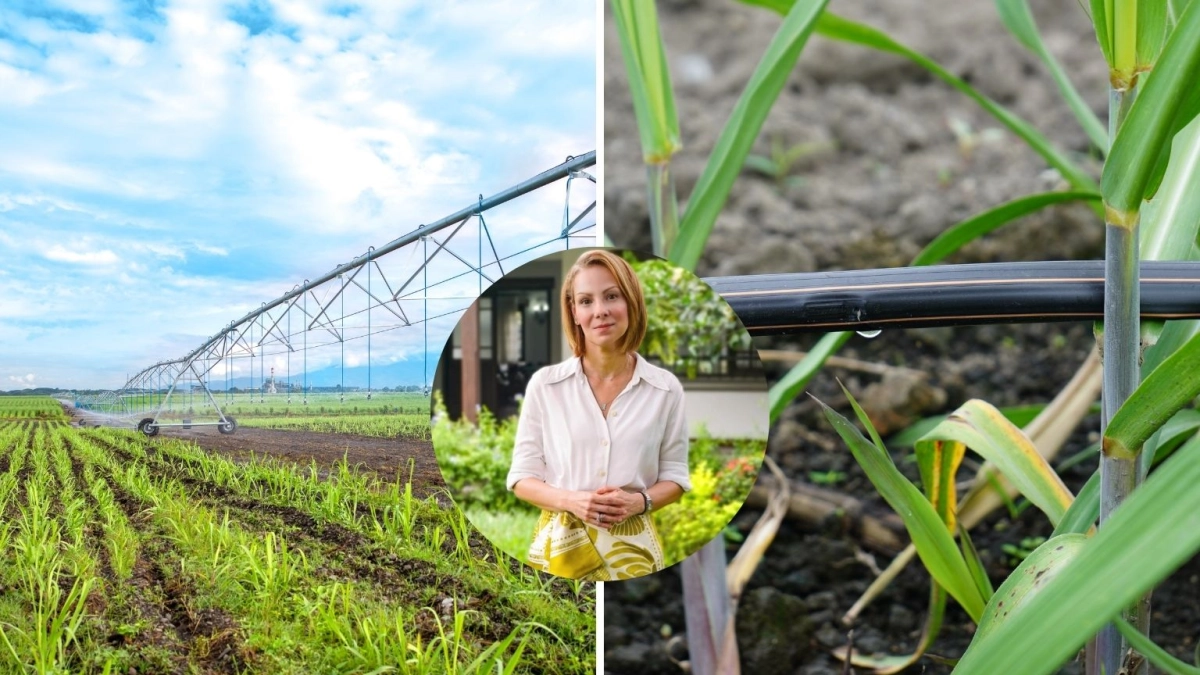
The Colombian sugarcane sector is implementing a comprehensive plan to mitigate the impacts of the El Niño phenomenon. This initiative, spearheaded by Asocaña, covers 850,000 hectares across 29 municipalities, encompassing 26 hydrographic basins. The primary objectives are the conservation of strategic ecosystems and the protection of water resources. Additionally, the plan aims to optimize the production of sugar within the region, ensuring resilience in agricultural output. These measures are designed to safeguard both the environment and the economic viability of sugarcane cultivation in the face of anticipated climate challenges.
The sugarcane sector's proactive measures in response to El Niño highlight the increasing need for agricultural systems to integrate climate resilience strategies. By focusing on ecosystem conservation and water management across extensive land areas and numerous hydrographic basins, Asocaña is addressing critical environmental dependencies. This approach, aimed at optimizing sugar production, reflects a broader trend where agricultural output is increasingly influenced by climate variability and the imperative for sustainable resource management. The long-term success of such plans will likely depend on the effective implementation of conservation practices and the ability to adapt to evolving climatic conditions, underscoring the interconnectedness of environmental health and economic productivity in the coming decade.
AI-generated to prompt reflection — not editorial opinion, not advice, not a statement of fact. How this works.