Color in Small Apartments: Expert Tips for Choosing Wisely
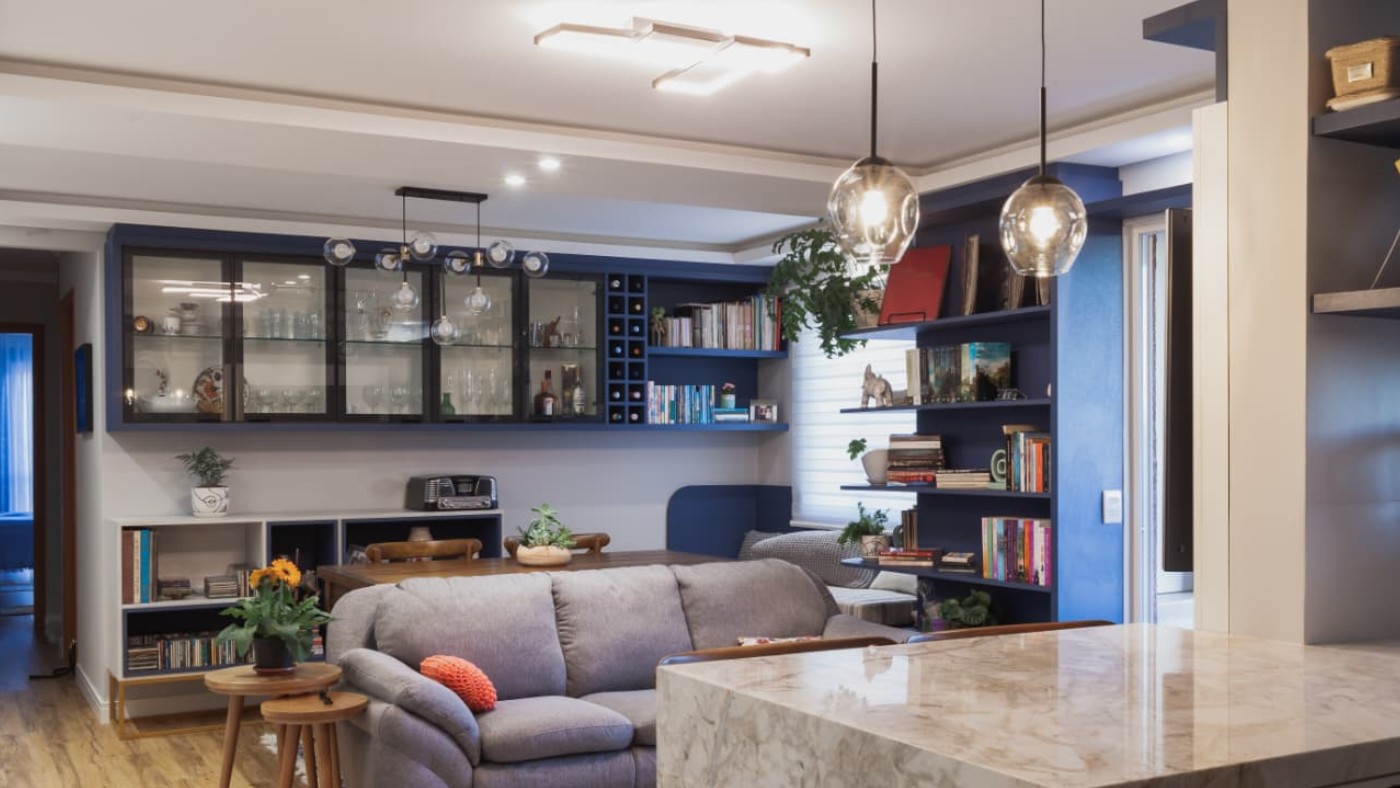
As apartments in Brazil shrink, interior designers are emphasizing the strategic use of color to enhance the perception of space. A recent trend shows a significant decrease in the median size of apartments for rent and purchase, with new developments in São Paulo heavily featuring units under 45 square meters. This shift is partly driven by demographic changes, including a 52% increase in single-person households over 12 years, and buyer priorities like location and security over sheer square footage. Interior designer Sofia Kerr highlights that while floor plans are crucial, color plays a vital role in making compact living functional and aesthetically pleasing. Eduardo Bathke, director general of Tintas Verginia, agrees that color doesn't change physical dimensions but significantly impacts perceived space, making technical considerations even more critical in smaller homes. He notes that errors in color choice are less forgiving in compact apartments, where they can dominate the entire environment. The common mistake of painting a single accent wall with a bold color while leaving others neutral can lead to visual fatigue due to high contrast, forcing the eyes to work harder. Instead, understanding technical factors like luminosity, saturation, and light absorption is key. While cool colors like blues are often associated with making spaces feel larger due to their shorter wavelengths, the actual luminosity of a shade, rather than its classification, is the primary determinant of perceived spaciousness. Ultimately, the goal should be to define the desired atmosphere before selecting colors, with technical aspects of tone, luminosity, and saturation supporting that vision.
The shrinking size of residential units reflects broader economic and demographic pressures, where the cost of urban living and evolving household structures necessitate more compact housing. While color can influence spatial perception, it is a cosmetic solution to a fundamental issue of affordability and land use. The reliance on design tricks like color manipulation to compensate for reduced living space raises questions about long-term habitability and well-being. Future urban planning and housing policies may need to address the root causes of limited space, rather than solely focusing on perceptual enhancements, to ensure adequate and comfortable living conditions in dense urban environments.
AI-generated to prompt reflection — not editorial opinion, not advice, not a statement of fact. How this works.