Colorado Law Tackles EV Battery Recycling Economics
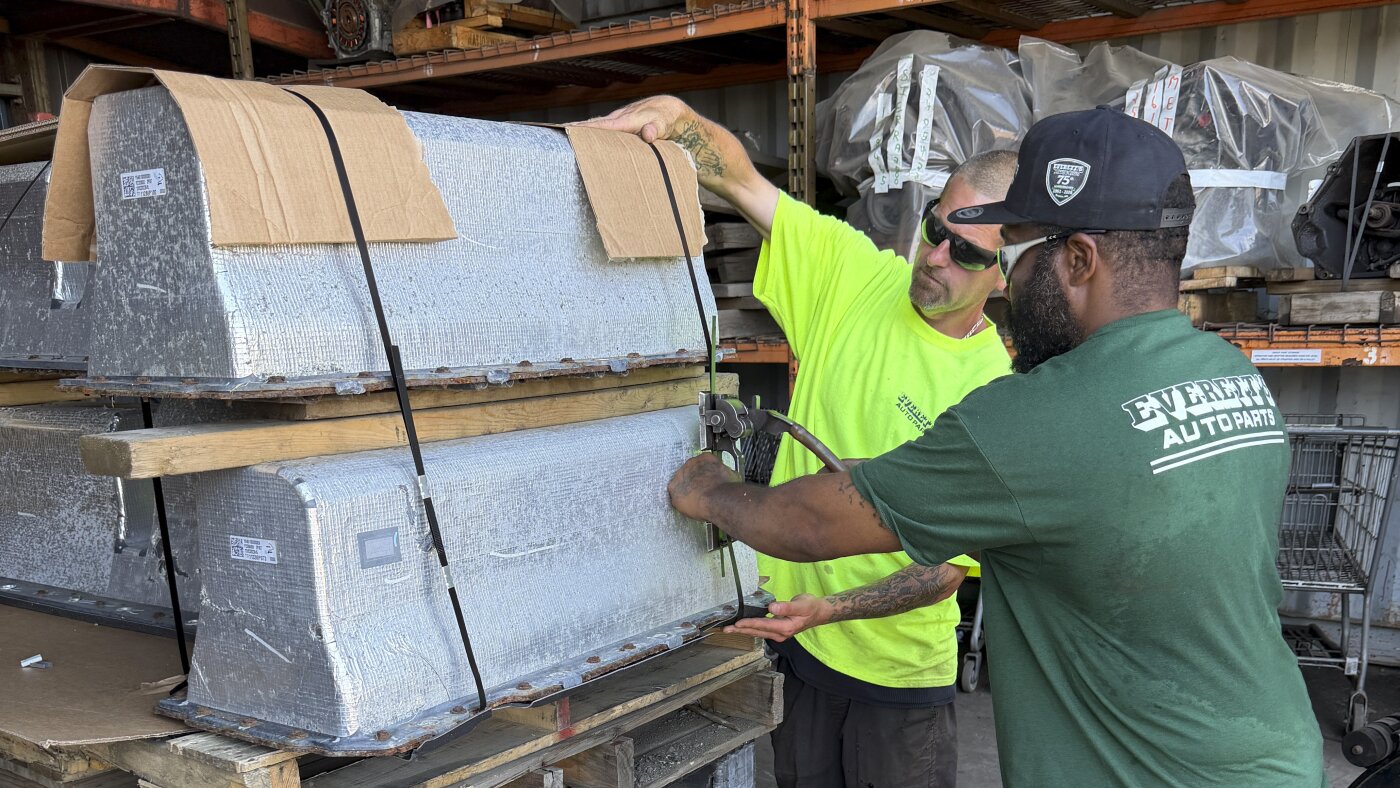
Recycling some electric vehicle (EV) batteries currently costs more than the value of the materials recovered, presenting a significant economic challenge. This imbalance creates a barrier to widespread and sustainable EV battery recycling efforts. To address this issue, the state of Colorado has enacted a new law designed to provide a viable solution.
The law aims to incentivize recycling processes and potentially subsidize the costs associated with recovering valuable materials from end-of-life EV batteries. By making recycling more economically feasible, Colorado seeks to encourage greater participation from manufacturers, recyclers, and consumers. This initiative is expected to help mitigate the environmental impact of discarded batteries and promote a more circular economy for EV components.
The economic viability of recycling is a critical bottleneck for the widespread adoption of electric vehicles. Current market dynamics may not adequately reflect the long-term environmental costs of un-recycled batteries, creating an incentive misalignment. Colorado's legislative approach attempts to correct this by internalizing some of the external costs, potentially through producer responsibility schemes or direct subsidies. This intervention could serve as a model for other jurisdictions grappling with similar challenges, highlighting the need for policy frameworks that support nascent circular economy initiatives in emerging technological sectors. The long-term success will depend on the scalability of the recycling processes and the stability of commodity prices for recovered materials.
AI-generated to prompt reflection — not editorial opinion, not advice, not a statement of fact. How this works.