Colorado River Water Crisis: Federal Government to Impose Cuts as States Fail to Agree
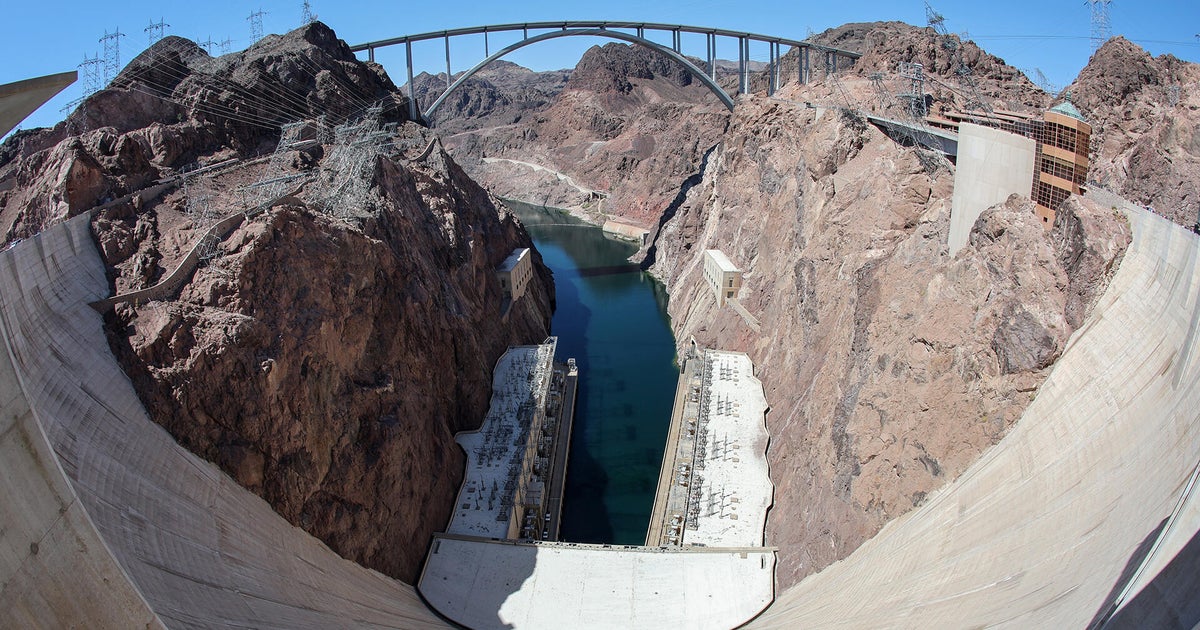
The Colorado River, a crucial water source for the American West, has reached critically low levels, prompting the federal government to consider imposing significant water usage cuts. Seven states that rely on the river have been unable to reach an agreement on how to manage the dwindling supply. This failure to cooperate has led to the federal government preparing to implement sweeping reductions. Jonathan Vigliotti is reporting on the developing situation.
The escalating crisis over the Colorado River's water levels highlights a critical challenge in inter-state resource management, particularly under the pressures of climate change and increased demand. The inability of the seven affected states to forge a consensus underscores the complexities of balancing regional needs with federal oversight. Future water governance frameworks will need to incorporate more adaptive strategies, potentially including market-based mechanisms or revised allocation formulas, to ensure equitable distribution and long-term sustainability of this vital resource. The situation serves as a stark indicator of how environmental shifts necessitate proactive, collaborative policy-making to avoid future conflicts and resource scarcity.
AI-generated to prompt reflection — not editorial opinion, not advice, not a statement of fact. How this works.