Colorectal Cancer Cases Rise in Vietnam, Mostly Diagnosed Late
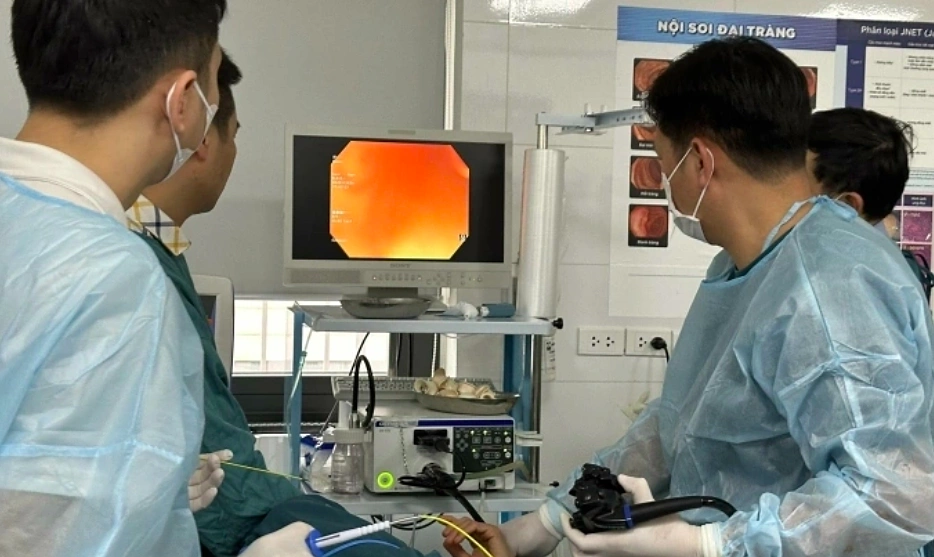
Colorectal cancer poses a significant burden on Vietnam's healthcare system, with new cases increasing by approximately 1.7 times over the past two decades. A major challenge is that the majority of patients are diagnosed in late stages of the disease. This late diagnosis significantly reduces the chances of successful complete treatment and recovery. The rising incidence highlights the growing public health concern surrounding colorectal cancer in the country. Efforts to improve early detection and treatment are crucial to mitigate the impact of this disease. Further research into the specific factors driving this increase in Vietnam may be warranted.
The escalating incidence of colorectal cancer in Vietnam, coupled with a high proportion of late-stage diagnoses, points to potential systemic issues in public health awareness and screening infrastructure. While the exact drivers require further investigation, increased prevalence may be linked to evolving dietary habits and lifestyle changes common in developing economies. The challenge of late diagnosis suggests a need for enhanced public education campaigns and more accessible, affordable screening programs. Focusing on preventative measures and earlier detection could significantly improve patient outcomes and reduce the long-term healthcare costs associated with advanced cancer treatment.
AI-generated to prompt reflection — not editorial opinion, not advice, not a statement of fact. How this works.