Combatting Dampness: Expert Tips for a Fresh Home During Monsoon Season
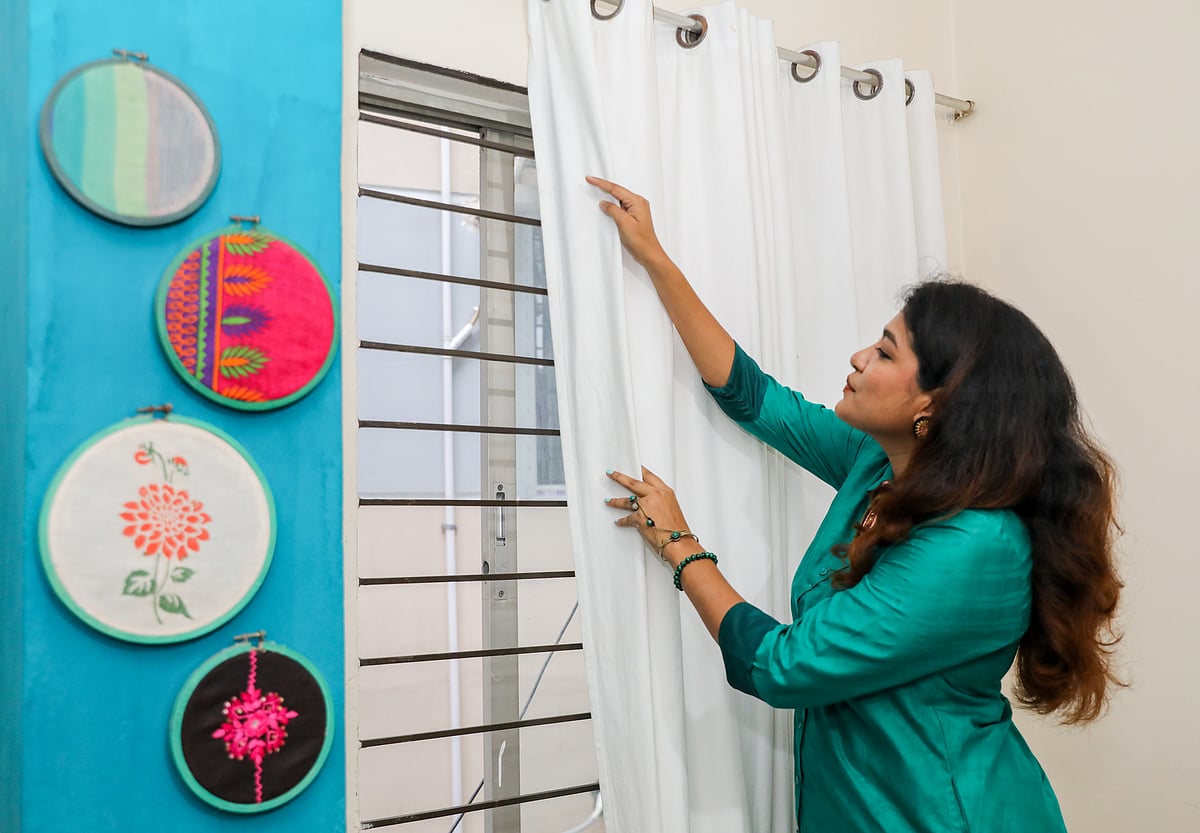
As the monsoon season brings lush greenery, it also introduces dampness and musty odors into homes. Experts architect Tasnim Turjoy and associate professor Farhana Sharif offer practical advice to maintain a fresh indoor environment. Key to controlling humidity is ensuring adequate ventilation and sunlight, even in urban settings with limited natural light. Regularly opening windows and doors, especially when it's not raining, allows for cross-ventilation, while using thin curtains can facilitate light and air passage and dry quickly if wet. Exhaust fans in kitchens and bathrooms, and potentially a kitchen chimney, are recommended to prevent stuffiness from cooking. For walls or ceilings showing signs of dampness, such as peeling plaster or mold growth, professional assessment and repair are advised. This may include professional plastering, applying damp-proof or anti-fungal paints, and addressing external water drainage issues. It's crucial to check for dampness near electrical outlets to prevent accidents, with particular attention paid to children's and elderly residents' rooms.
The impact of humidity extends to wooden doors and furniture, causing swelling and warping that can hinder functionality. While oiling stiff hinges might offer temporary relief, significant changes in wood shape necessitate professional intervention, potentially involving polishing or fillers. Waterproof paints can also be applied. Furniture should be placed a few inches away from walls to prevent water damage from rain splashes and should be wiped daily with a dry cloth. Opening furniture doors and drawers periodically, even if not in use, helps with air circulation. To combat musty smells within furniture, dried neem leaves, silica gel packets, or camphor can be used instead of naphthalene, which poses health risks. Using tracing paper instead of regular paper or plastic sheets inside wooden furniture is also suggested. Additional measures include using foam-like materials on doors to prevent water ingress, checking window and balcony frames for leaks, and ensuring floors are dried quickly after mopping. Periodically airing out cushions and pillows in the sun can help. Natural scented candles or flowers can be used to refresh the air, and a dehumidifier can maintain optimal indoor humidity levels between 40-60%. Overwatering plants and allowing water to collect in saucers should be avoided. Finally, keeping the surroundings clean, including balconies and the yard, is essential to prevent increased ambient humidity and mosquito breeding.
This advice addresses the common challenge of indoor humidity during monsoon season, focusing on practical solutions for ventilation, moisture control, and material preservation. The recommendations highlight the importance of passive design elements like cross-ventilation and sunlight, alongside active solutions such as exhaust fans and dehumidifiers. The emphasis on professional assessment for structural issues like damp walls underscores a systemic approach to building maintenance. The advice regarding wooden furniture and potential electrical hazards points to the interconnectedness of environmental conditions and household safety. Future considerations might involve integrating smart home technologies for real-time humidity monitoring and automated ventilation adjustments, particularly as climate patterns evolve and urban density increases. The guidance also implicitly promotes a proactive approach to home care, shifting from reactive repairs to preventative maintenance, which can lead to longer-term cost savings and improved living conditions.
AI-generated to prompt reflection — not editorial opinion, not advice, not a statement of fact. How this works.