Combined Genetic and Agronomic Approaches Enhance Rice Nutrient Content
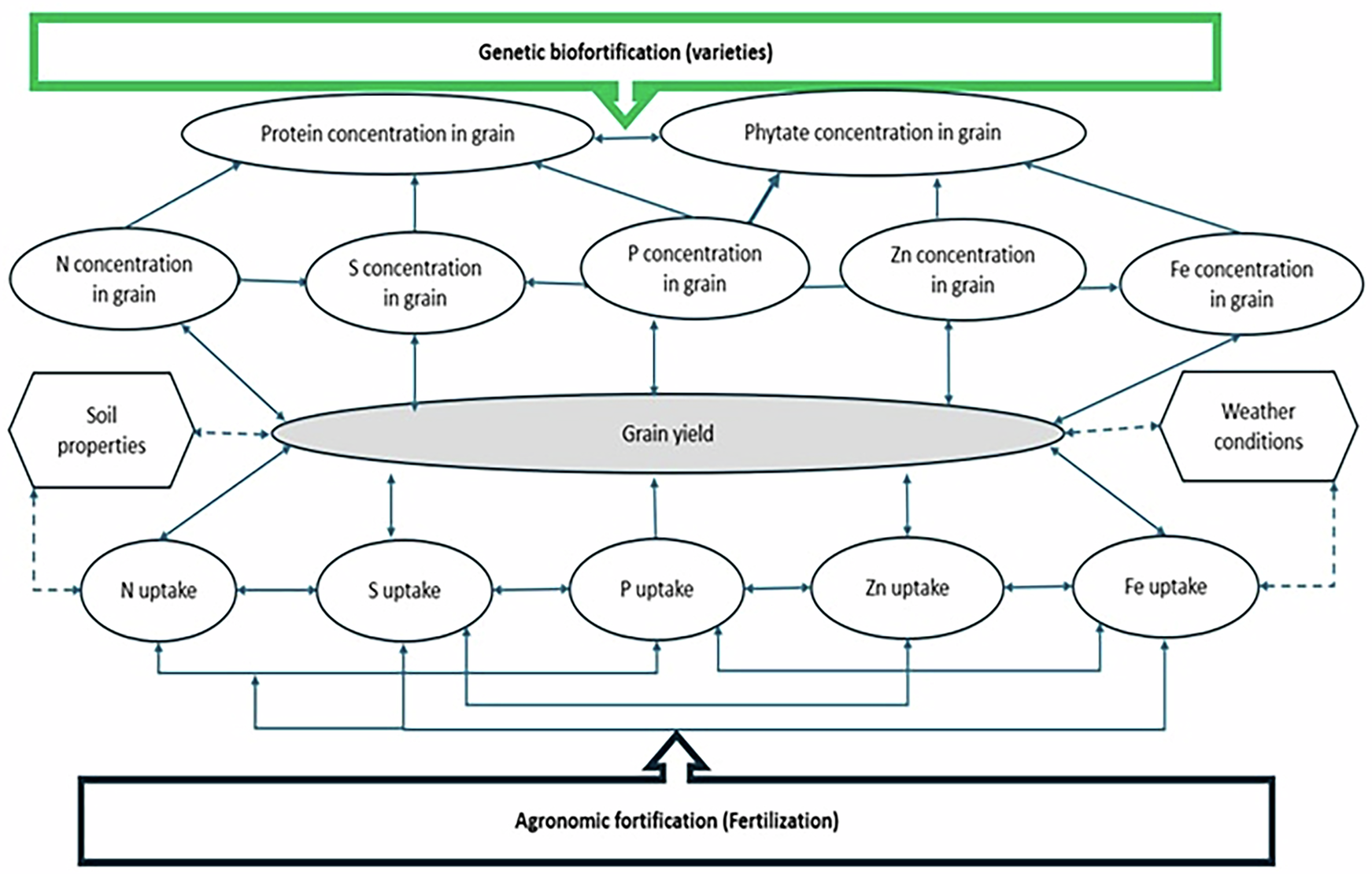
A comprehensive meta-analysis reveals that integrating both genetic and agronomic fortification strategies significantly improves the concentrations of zinc, iron, and protein in rice grains. This dual approach addresses nutritional deficiencies by enhancing the inherent quality of the rice itself, alongside optimizing cultivation practices. The findings suggest a powerful synergy between breeding for higher nutrient density and employing effective agronomic methods to maximize nutrient uptake and retention. This research provides a robust evidence base for developing more nutritious rice varieties and implementing cultivation techniques that benefit global public health. The study highlights the potential of these combined strategies to combat micronutrient malnutrition, a widespread issue affecting billions worldwide. By improving staple crops like rice, which form the primary food source for a large portion of the global population, significant progress can be made in dietary quality. The analysis underscores the importance of a multi-faceted approach, combining scientific innovation in plant breeding with practical agricultural management. This integrated strategy offers a sustainable pathway to enhance food security and improve human health outcomes on a large scale. Ultimately, the research points towards a future where staple foods can more effectively contribute to meeting essential nutritional needs.
This meta-analysis demonstrates the synergistic potential of combining plant breeding advancements with optimized agronomic practices to enhance staple crop nutrition. By focusing on both genetic predispositions for nutrient accumulation and environmental factors influencing their expression, the research offers a scalable strategy to address widespread micronutrient deficiencies. This approach aligns with long-term public health goals, particularly in regions heavily reliant on rice as a primary food source. The findings suggest that future agricultural R&D should prioritize integrated solutions that leverage biological potential alongside sustainable cultivation methods, potentially reducing reliance on costly and less accessible supplementation programs. The challenge lies in translating these scientifically validated improvements into widespread farmer adoption and ensuring equitable access to enhanced varieties and cultivation knowledge.
AI-generated to prompt reflection — not editorial opinion, not advice, not a statement of fact. How this works.