Comedian Tirullipa ordered to pay $30,000 for indecent acts at Gkay's Farofa party
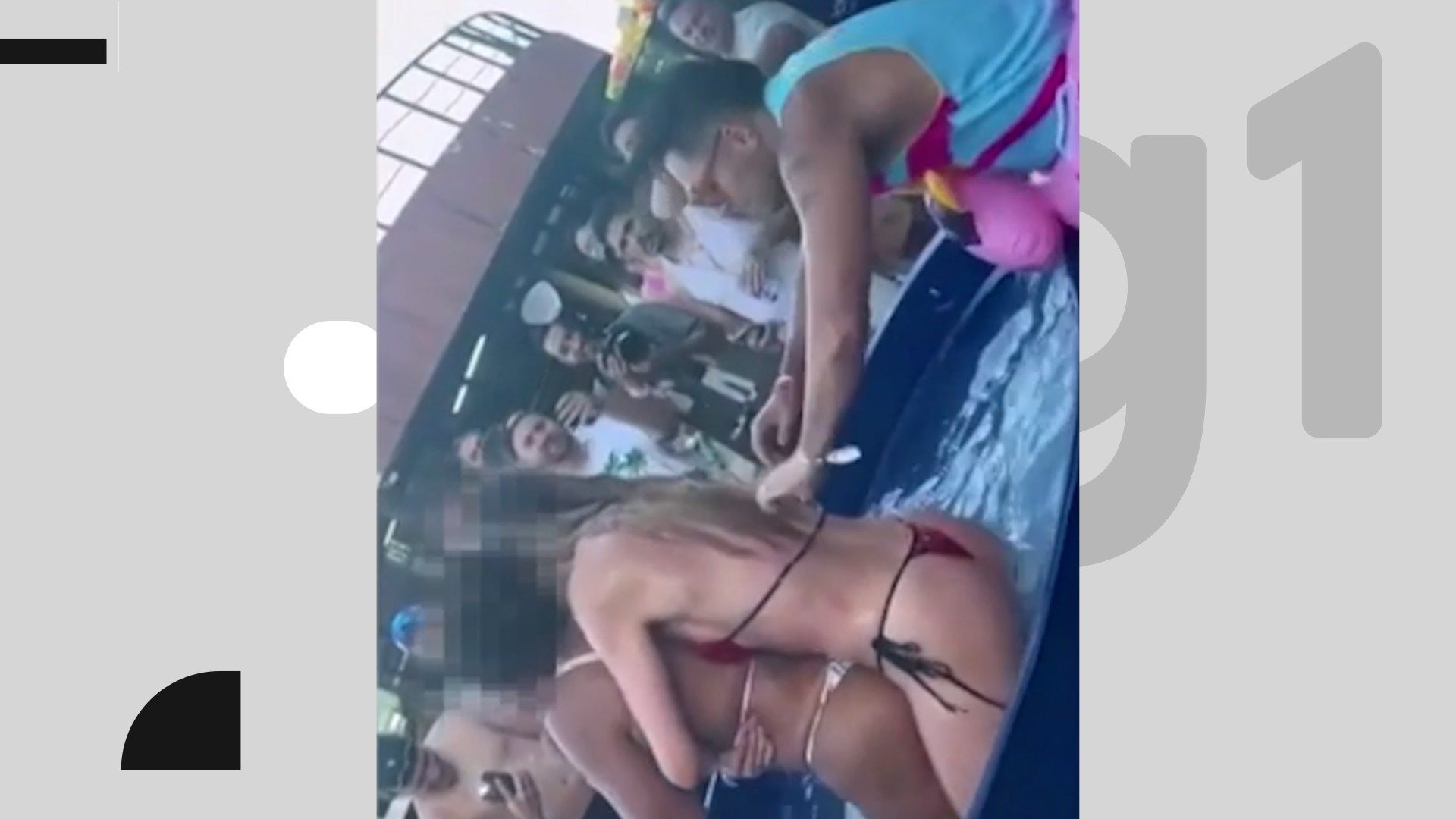
Brazilian comedian Everson de Brito Silva, known as Tirullipa, has been ordered by a court to pay R$30,000 in damages to two women from Paraíba. The compensation stems from an incident during the "Farofa da Gkay" event in December 2022, where Tirullipa allegedly exposed the women and engaged in invasive physical contact. Each woman is to receive R$15,000, as decided by Judge Leila Regina Corado Lobato of the 36th Civil Court of Fortaleza. The incident occurred during a "Banheira do Gugu"-style game, a competition involving participants retrieving soap from a bathtub. During this game, Tirullipa is accused of pulling down one woman's bikini strap and touching another's breasts without consent. Videos of the event were presented as evidence in court. The judge ruled that Tirullipa "exceeded the limits inherent in recreational activity" by his actions. The court also noted that the subsequent online dissemination of the videos and the national attention exacerbated the humiliation and distress experienced by the women, leading to public ridicule in their communities. In addition to the damages, Tirullipa must cover court costs, though the decision is subject to appeal. The comedian has reportedly acknowledged his behavior was inappropriate, admitting he "went too far" and "exceeded himself." His defense team's current status could not be confirmed by the reporting outlet. The legal representatives for the two women expressed confidence in the judicial process and the evidence presented.
This ruling highlights the critical intersection of public performance, consent, and accountability within the influencer culture. The court's decision emphasizes that even within a context of perceived revelry and humor, actions that violate personal boundaries and bodily autonomy can carry significant legal and financial consequences. The amplification of the incident through social media underscores the amplified impact of digital dissemination on individual reputations and well-being. Moving forward, event organizers and participants in large-scale digital content creation may need to implement more robust consent protocols and content moderation strategies to mitigate risks associated with public performances that blur lines between entertainment and personal violation, especially as AI-driven content generation and distribution continue to evolve.
AI-generated to prompt reflection — not editorial opinion, not advice, not a statement of fact. How this works.
