Comedian Whindersson Nunes Apologizes to Ex-Wife Luísa Sonza for Haaland Comment
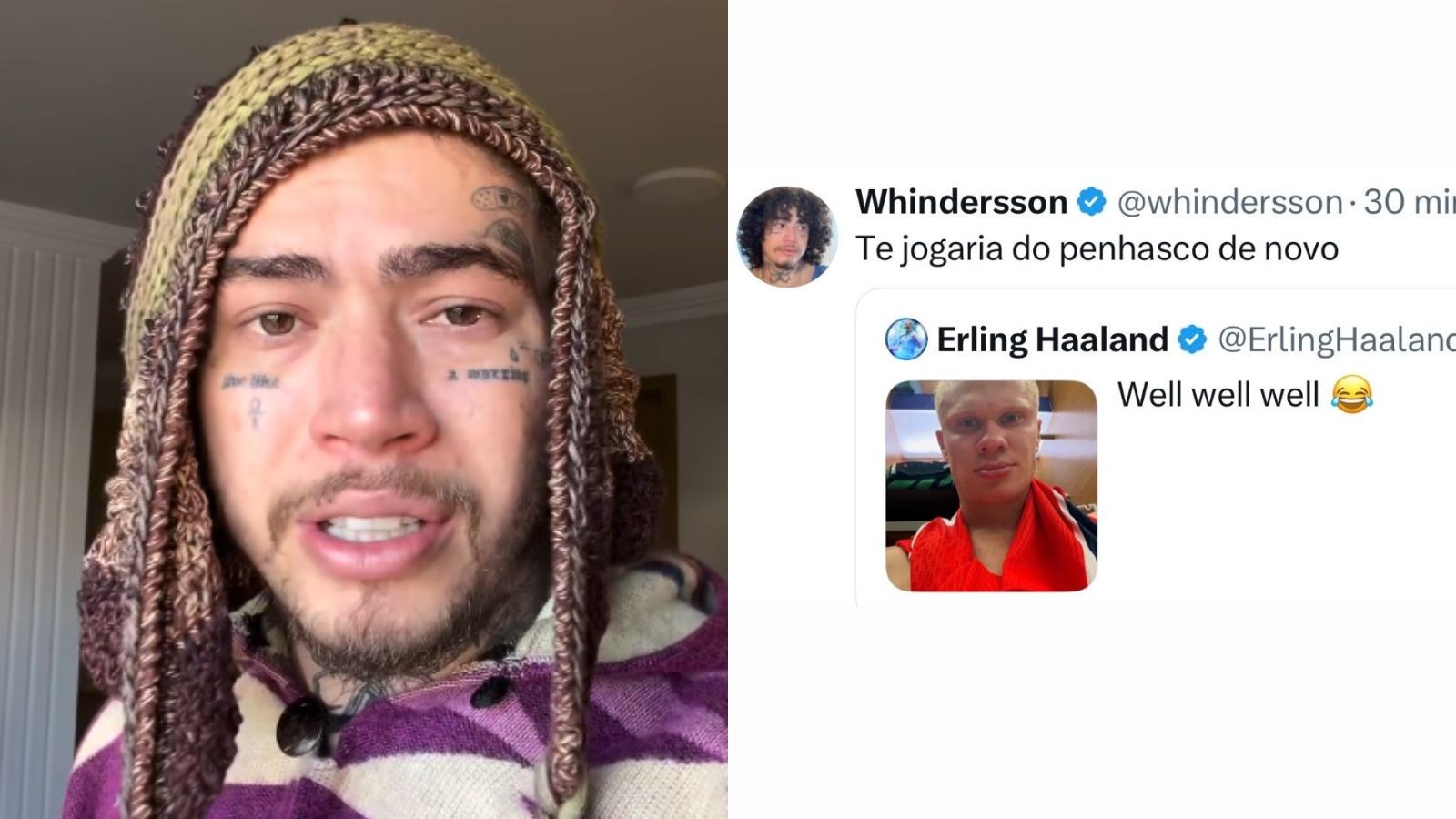
Brazilian comedian Whindersson Nunes has issued a public apology to singer Luísa Sonza following the backlash from a comment he made on a post by Norwegian footballer Erling Haaland. Nunes wrote, "I would throw you off the cliff again" on Haaland's social media, referencing Sonza's 2021 song "Penhasco" (Cliff), which alluded to the difficult end of their marriage. Nunes stated in a video released on Sunday, December 12th, that he did not intend to recall a traumatic period in his ex-wife's life and urged his followers to stop attacking her. He explained that he only understood the comment's hurtful impact after discussing it with friends who informed him it was a "very heavy trigger" for Sonza. Nunes drew a parallel to his own fear of flying after a friend's death in a plane crash, realizing how a similar insensitive remark could cause distress. He directly apologized to Sonza, her family, friends, boyfriend, and fans, expressing that his actions did not reflect his true character. The controversy arose after Brazil's elimination from a match against Norway, with Haaland's post gaining traction. Sonza had recently participated in social media jokes comparing her physical resemblance to Haaland. Following Nunes' comment, Sonza posted a video of herself training with the caption, "Training hard, having discipline and character to not become a mediocre man who thinks he's the best," which was interpreted by many as a veiled response to her ex-husband. Nunes initially dismissed the comment as a misinterpreted joke but has now reflected, spoken with others, and decided to move past the incident, acknowledging it was a poor decision.
This incident highlights the complex interplay between public personas, personal history, and social media dynamics. The comedian's ill-considered remark, referencing a deeply personal and painful experience for his ex-wife, underscores the potential for public figures' online interactions to inadvertently cause harm, even when framed as 'jokes.' The subsequent apology demonstrates an evolving understanding of digital communication's impact, particularly concerning sensitive personal events. It also reveals how public discourse can amplify private sensitivities, creating a ripple effect that necessitates careful consideration of context and audience. Moving forward, public figures may benefit from heightened awareness regarding the lasting resonance of past personal traumas when engaging in online commentary, especially when referencing artistic or personal expressions tied to those experiences. This situation prompts reflection on the responsibilities that accompany a large online following and the importance of empathetic communication in the digital age.
AI-generated to prompt reflection — not editorial opinion, not advice, not a statement of fact. How this works.