Commentator: Divided Society Benefits Politicians, Not Slovakia
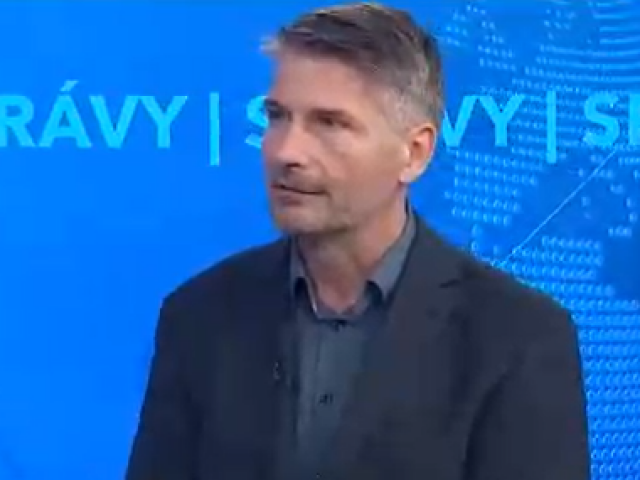
Slovakia is one of the most polarized countries in Europe, yet most citizens manage to maintain relationships despite differing political views. This observation was made by Igor Daniš, a commentator for the daily newspaper Pravda, during a discussion on the ta3 program Téma dňa. Daniš highlighted that while societal division is prevalent, it does not necessarily prevent interpersonal connections among the populace. The program focused on the state of Slovak society and its political landscape. The discussion underscored the challenges posed by high levels of polarization within the nation. Despite these divisions, the resilience of personal relationships was presented as a counterpoint. The commentator's remarks suggest a disconnect between political rhetoric and the everyday experiences of Slovak citizens.
The assertion that a divided society benefits politicians suggests a potential incentive structure where political actors may leverage societal schisms for electoral gain or to consolidate power. This dynamic can exacerbate polarization, hindering constructive national dialogue and policy-making. From a systems perspective, sustained political division can undermine social cohesion and democratic institutions, potentially leading to long-term instability. Addressing this requires fostering environments that encourage cross-ideological understanding and shared civic purpose, rather than allowing political strategies to exploit societal fault lines. The challenge lies in aligning political incentives with the broader societal interest in unity and effective governance.
AI-generated to prompt reflection — not editorial opinion, not advice, not a statement of fact. How this works.