Commerzbank Yields to Unicredit's Takeover Bid After Months of Resistance
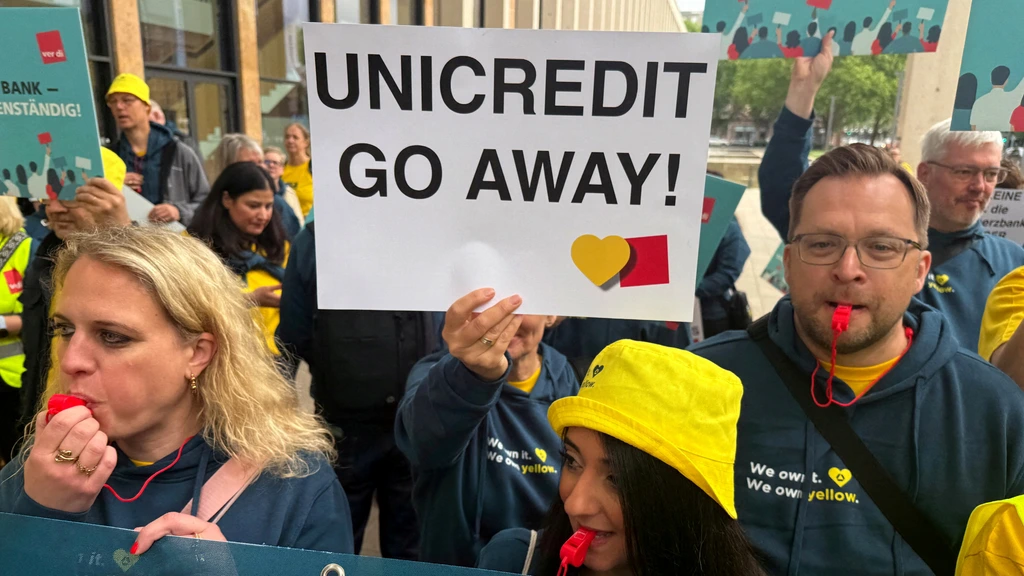
Commerzbank, Germany's second-largest bank, has ended its resistance to a takeover by Italian banking giant Unicredit, signaling a potential major European bank merger. Commerzbank's Supervisory Board Chairman, Jens Weidmann, stated in an interview with Handelsblatt that the bank will now engage in "constructive" discussions with Unicredit. Weidmann acknowledged that the voting dynamics at the upcoming shareholder meeting make continued opposition futile. Unicredit began acquiring Commerzbank shares last year, and after surpassing the 30% threshold, was compelled to make a public offer for all outstanding shares. A significant number of Commerzbank shareholders voluntarily sold their stakes to Unicredit, bringing the Italian bank's holding to nearly 48%. Initially, Commerzbank had claimed Unicredit failed to secure a majority, suggesting remaining shareholders were unwilling to sell. However, the German bank's management has now publicly conceded. These developments follow Unicredit CEO Andrea Orcel's recent announcement that his bank aims for full control of Commerzbank by 2028. The German government, which holds a nearly 13% stake since the credit crisis, also withdrew its opposition last week, with Chancellor Merz stating his issue was with Unicredit's tactics, not the takeover itself. Weidmann emphasized the need for constructive dialogue to address concerns for employees, shareholders, and customers, noting that these discussions are also in Unicredit's interest. Unicredit, already active in Germany through HypoVereinsbank, has stated there are no immediate plans to merge it with Commerzbank, thus avoiding job losses.
The shift in Commerzbank's stance from resistance to constructive engagement reflects a pragmatic response to evolving shareholder dynamics and regulatory sentiment. The German government's withdrawal of opposition, coupled with Unicredit's substantial share accumulation, created an environment where continued defense would likely be economically disadvantageous. This situation highlights the interplay between market forces, shareholder activism, and national economic interests in cross-border banking consolidation. Looking ahead, the integration of Commerzbank into Unicredit, if completed, will present significant challenges in aligning corporate cultures, managing regulatory compliance across jurisdictions, and realizing projected synergies, particularly in the context of an increasingly digital and competitive European financial landscape. The success of this merger will hinge on effective governance and strategic foresight to navigate these complexities over the next decade.
AI-generated to prompt reflection — not editorial opinion, not advice, not a statement of fact. How this works.