Common Egg-Eating Mistakes That Reduce Nutritional Value
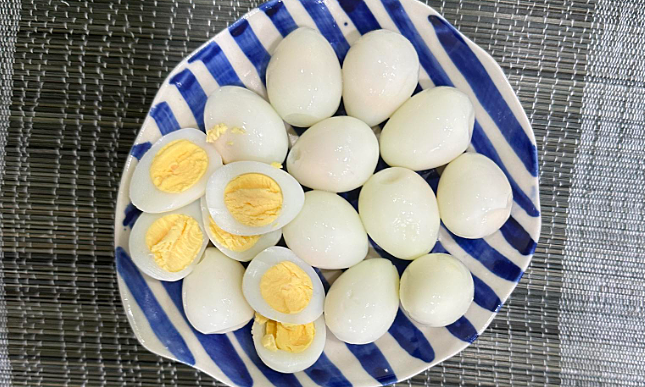
Several common dietary habits can significantly diminish the nutritional benefits derived from eating eggs. One such mistake is consuming only the egg whites, discarding the yolk, which contains essential vitamins and minerals. Eating raw eggs is another practice that can be detrimental, as it may not only hinder nutrient absorption but also pose a risk of salmonella contamination. Overcooking eggs, particularly boiling them for too long or frying them at excessively high temperatures, can also degrade certain nutrients, such as vitamins A and D, and reduce the bioavailability of proteins. Furthermore, pairing eggs with processed meats, like bacon or sausage, can negate some of their health advantages. Processed meats are often high in sodium and unhealthy fats, which can counteract the positive effects of eggs on heart health and overall well-being. By avoiding these practices, individuals can maximize the nutritional value of eggs.
The nutritional profile of eggs is well-established, yet common preparation and consumption methods can inadvertently reduce their inherent benefits. Focusing solely on egg whites overlooks the rich nutrient density of the yolk, while consuming raw eggs introduces both digestibility issues and potential food safety risks. Overcooking can lead to nutrient degradation, suggesting that moderate cooking temperatures and times are optimal for preserving egg quality. The combination of eggs with processed meats highlights a broader dietary pattern where the healthfulness of one component can be undermined by the less healthy characteristics of another, such as high sodium or saturated fat content. Understanding these dynamics encourages a more mindful approach to food preparation and consumption, maximizing nutrient intake and minimizing potential health detriments.
AI-generated to prompt reflection — not editorial opinion, not advice, not a statement of fact. How this works.