Common Mistakes at Sea: What Athletes Should Know for Emergencies in the North and Baltic Seas
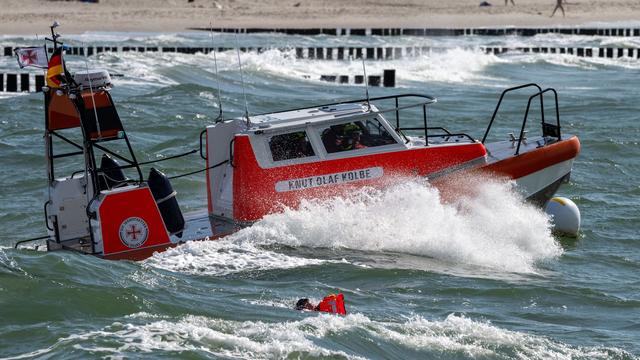
The German Lifesaving Association (DLRG) is highlighting common mistakes made by water sports enthusiasts that can lead to emergencies in the North and Baltic Seas. These errors often stem from a lack of preparation and underestimation of the challenging conditions. The DLRG emphasizes the importance of thorough planning before setting out on the water.
Key issues include inadequate safety equipment, insufficient knowledge of weather forecasts, and overestimating one's own abilities. The association advises athletes to always check the current weather and tide conditions, inform others about their planned route and expected return time, and carry appropriate safety gear, such as a life jacket and communication devices. Proper training and understanding the specific risks associated with each body of water are crucial for preventing accidents and ensuring a safe experience for all water sports participants.
The DLRG's advisory underscores a recurring challenge in recreational maritime activities: the gap between user confidence and preparedness. As participation in water sports grows, driven by accessible technology and leisure trends, the inherent risks of dynamic marine environments persist. This situation highlights the need for robust public safety campaigns that not only inform but also instill a culture of risk assessment and continuous learning among participants. Future efforts could explore leveraging digital platforms for real-time safety alerts and training modules, adapting to the evolving ways individuals engage with outdoor recreation and mitigating preventable incidents through enhanced awareness and proactive safety measures.
AI-generated to prompt reflection — not editorial opinion, not advice, not a statement of fact. How this works.