Common Pruning Mistake That Can Harm or Kill Plants
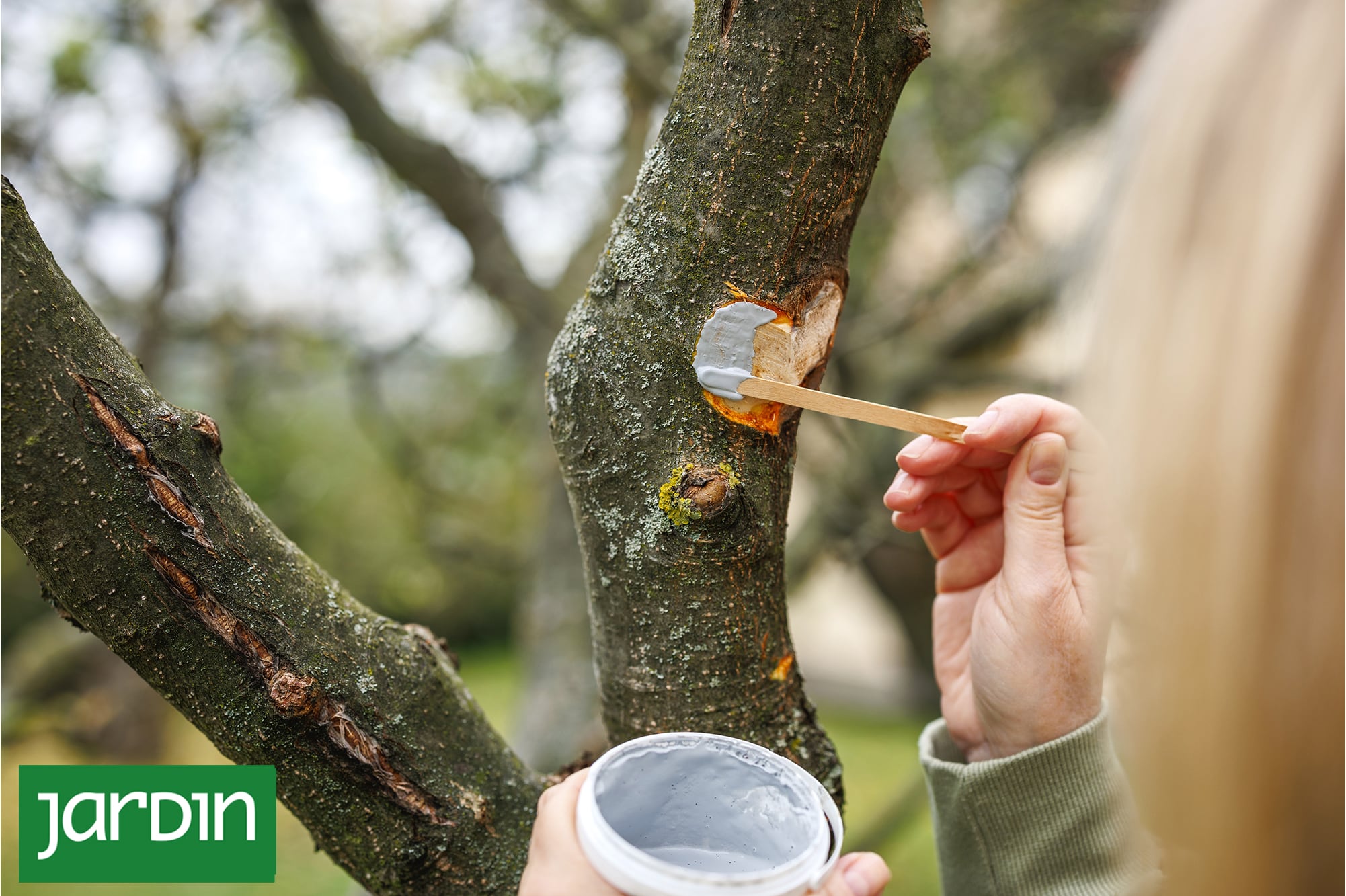
Improper pruning techniques can inadvertently introduce harmful pathogens to plants, leading to severe health issues. This seemingly simple gardening task, if done incorrectly, can create entry points for fungi, bacteria, and rot. These infections can be extremely difficult to reverse once established. Therefore, understanding the correct methods for pruning is crucial for maintaining plant health and preventing irreversible damage. Careless cuts can compromise a plant's natural defenses, making it vulnerable to a range of diseases. This vulnerability can ultimately lead to the plant's decline or even death. Proper pruning involves making clean cuts at the appropriate locations to encourage healing and prevent disease entry. Neglecting these details can have significant negative consequences for plant vitality. Gardeners should be mindful of these risks to ensure the longevity and well-being of their plants.
The practice of pruning, while common in horticulture, carries inherent risks if not executed with precision. The introduction of pathogens through improperly made cuts highlights a systemic vulnerability in plant care. This underscores the importance of standardized best practices and accessible education for gardeners to mitigate disease transmission. Future horticultural advancements may focus on developing more resilient plant varieties or innovative, sterile pruning tools to further minimize these risks. Understanding the biological pathways of infection is key to developing proactive strategies that enhance plant immune responses and reduce reliance on reactive treatments.
AI-generated to prompt reflection — not editorial opinion, not advice, not a statement of fact. How this works.