Common Virus Linked to Parkinson's-like Brain Damage
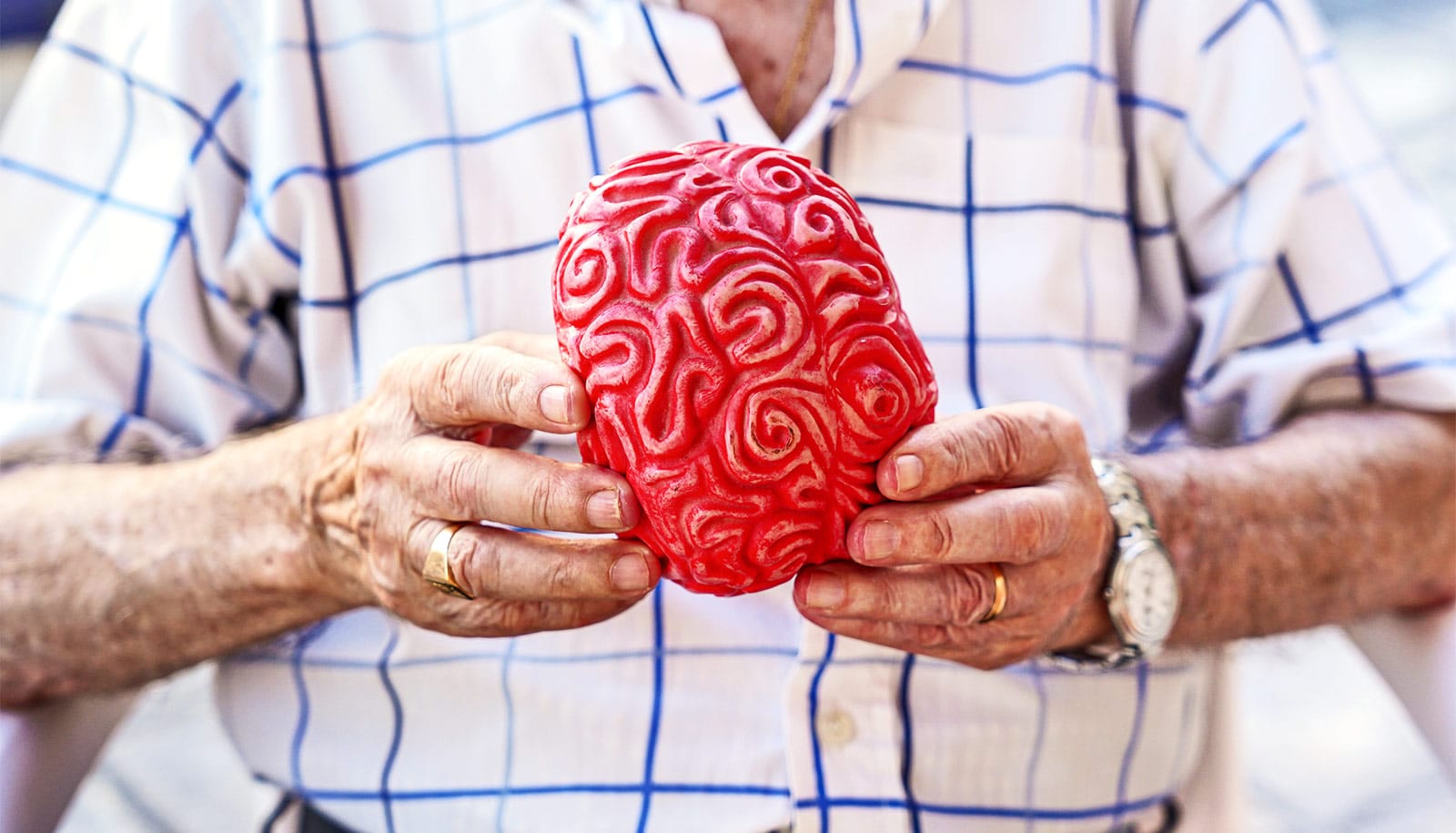
A recent study has revealed a significant connection between a common virus and the development of Parkinson's-like brain damage. The research indicates that infection by this virus can lead to neurological issues that mimic the symptoms of Parkinson's disease. Specifically, the study observed that the virus can induce damage within the brain that results in motor problems. These movement difficulties are characteristic of Parkinson's disease, suggesting a potential new pathway for the condition's onset. The findings open up new avenues for understanding the complex causes of neurodegenerative disorders. Further investigation into this viral link could have implications for early detection and potential therapeutic strategies. This research highlights the profound impact that seemingly ordinary viral infections can have on long-term brain health. The study's results underscore the importance of considering infectious agents in the broader context of neurological disease.
This research suggests a potential environmental trigger for neurodegenerative conditions, shifting focus from purely genetic factors. Understanding the mechanisms by which a common virus could induce Parkinson's-like pathology is crucial. It raises questions about immune system responses, viral persistence, and their interaction with neuronal health over time. Future research could explore whether specific viral strains or host immune profiles increase susceptibility, potentially leading to novel preventative or therapeutic interventions targeting viral clearance or mitigating neuroinflammation. This perspective encourages a broader, multifactorial view of neurodegeneration, considering infectious agents as significant contributors alongside genetic predispositions and aging.
AI-generated to prompt reflection — not editorial opinion, not advice, not a statement of fact. How this works.