Common Virus Linked to Parkinson's-Like Brain Damage in Mice
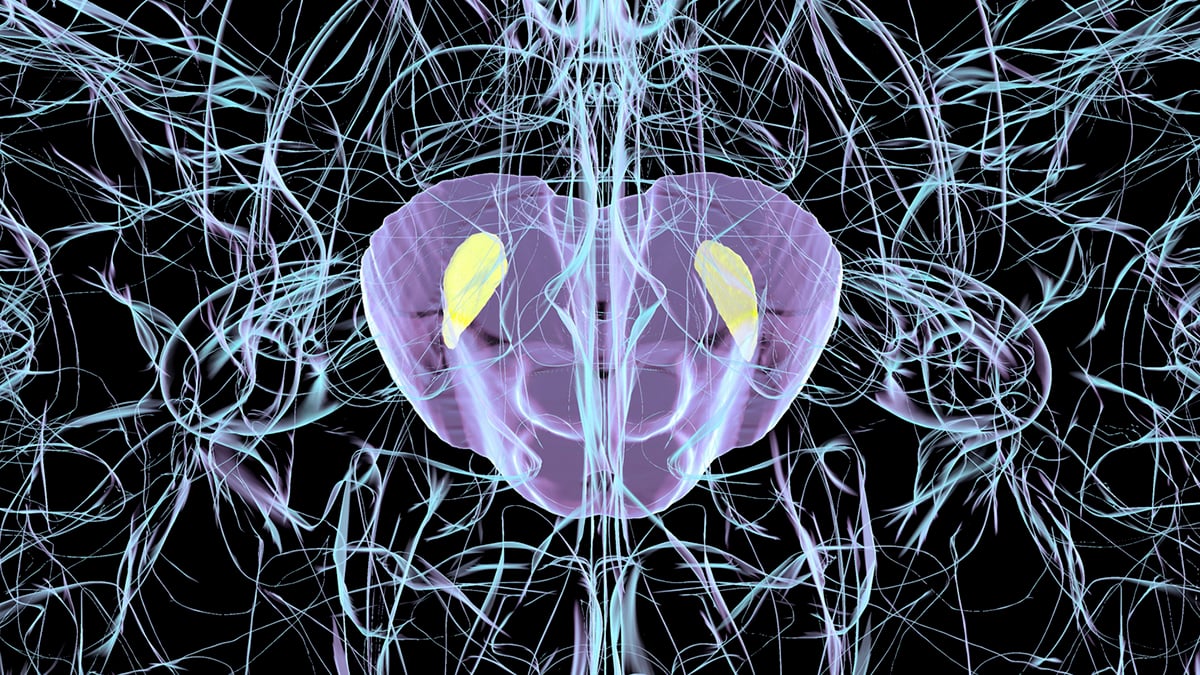
New research suggests that a common virus, cytomegalovirus (CMV), can trigger brain damage similar to that seen in Parkinson's disease in mice. The study found that CMV infection leads to the accumulation of alpha-synuclein, a protein implicated in Parkinson's disease, within the brain's dopamine-producing neurons. This accumulation is a hallmark of Parkinson's pathology. The researchers observed that when CMV infects these specific neurons, it causes them to produce more alpha-synuclein. This increased production then leads to the clumping of the protein into Lewy bodies, which are characteristic of Parkinson's disease. The study highlights a potential mechanism by which viral infections could contribute to neurodegenerative diseases. While this research was conducted in mice, it opens new avenues for understanding the environmental factors that may play a role in the development of Parkinson's disease in humans. Further investigation is needed to determine if similar processes occur in humans and if CMV infection is a risk factor for Parkinson's disease.
This study presents a compelling correlation between a common viral infection and the pathological hallmarks of Parkinson's disease in a murine model. The findings suggest a potential environmental trigger for neurodegeneration, shifting focus from purely genetic factors. Understanding the molecular pathways by which CMV influences alpha-synuclein aggregation could inform novel therapeutic strategies targeting viral-induced neuroinflammation or protein misfolding. Future research should explore the translatability of these findings to human populations, considering the prevalence of CMV and its potential long-term neurological impact. This research underscores the complex interplay between infectious agents and chronic neurological conditions, a growing area of interest in the AI era's pursuit of predictive health.
AI-generated to prompt reflection — not editorial opinion, not advice, not a statement of fact. How this works.