Communicating with Loved Ones Living with Dementia
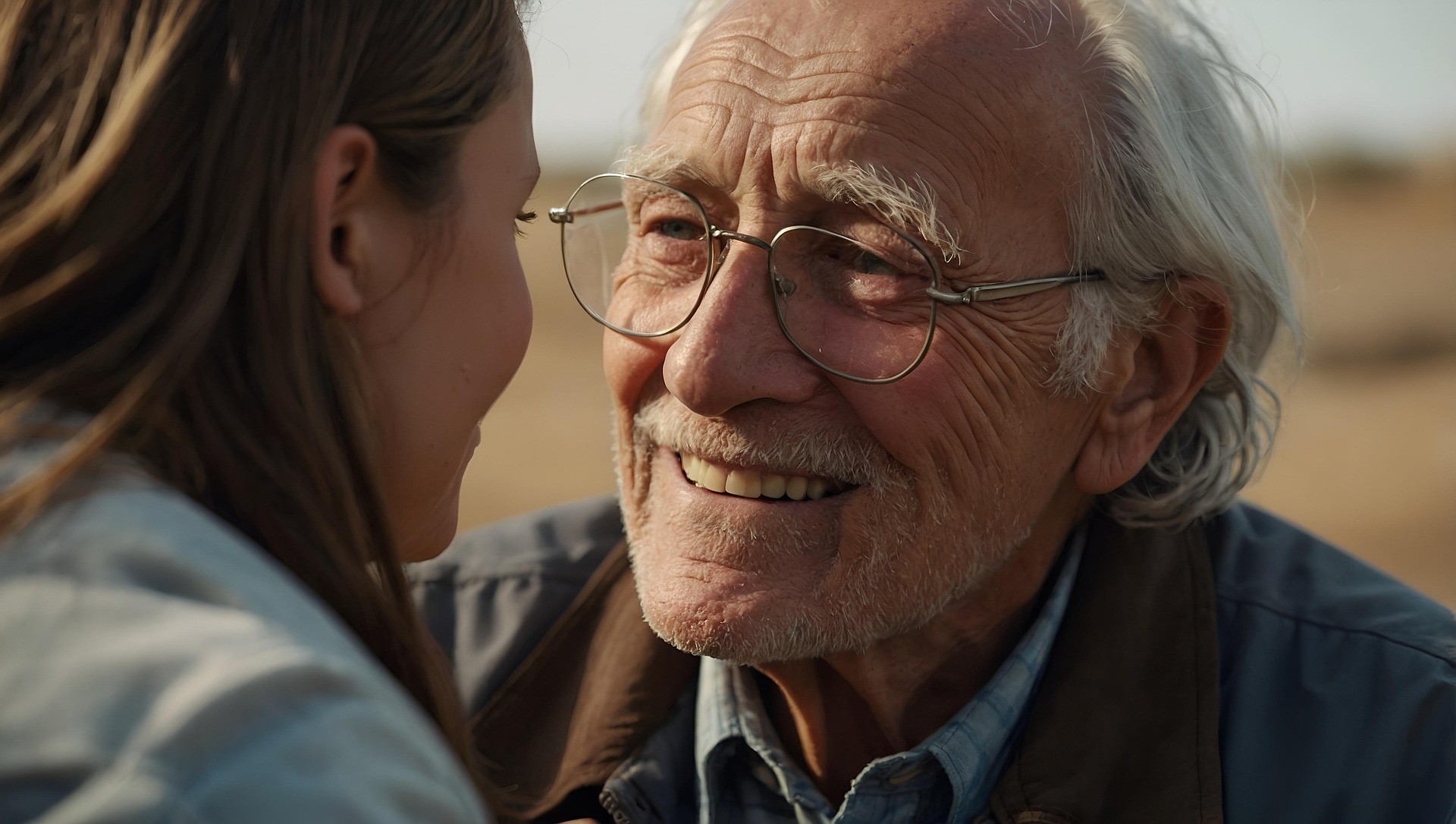
Communicating with individuals experiencing dementia presents significant challenges for caregivers and family members, often leading to exhaustion. While a previous column addressed this topic for daily caregivers, this piece offers advice for those who interact less frequently, aiming to improve their approach. People with dementia may cycle through apathy and disinterest, repeat questions, forget recent events, or misidentify familiar faces. For instance, a woman with dementia repeatedly asked if a birthday cake was for her and was surprised to learn a cousin had passed away, despite being informed earlier. These instances highlight that dementia does not necessitate social isolation. Key communication strategies include introducing yourself, even if it means repeating your name and relationship, and understanding that the person may use a different name for you. It is crucial to schedule visits at convenient times, respecting the individual's routine and avoiding late afternoons when sundowning can increase confusion and agitation. When children are present, it is advisable to have activities prepared for them, as individuals with dementia may lack social filters, potentially leading to awkward situations. Revisiting past memories is an effective conversation starter, as recall of distant events is often more vivid than recent ones. Questions should be gentle, avoiding phrases like "Do you remember?" which can cause distress if the memory is inaccessible. Engaging in shared activities such as puzzles, card games, looking at photo albums, or listening to music can facilitate interaction, even without direct conversation. Avoid complex topics and do not treat the person like a child, but listen patiently to their repeated stories or recollections without correcting inaccuracies. The goal is to connect with the person wherever they are, embracing open-mindedness rather than striving for structured conversations.
This article provides practical guidance for interacting with individuals affected by dementia, emphasizing empathy and patience. It highlights the cognitive and behavioral changes associated with dementia, such as memory loss, repetition, and sundowning, and offers strategies to mitigate communication difficulties. The advice focuses on creating a supportive and understanding environment by adapting communication styles, respecting routines, and engaging in shared activities. From a systemic perspective, the increasing prevalence of dementia worldwide underscores the growing need for public education and caregiver support resources. Future challenges will involve developing more effective diagnostic tools, therapeutic interventions, and community-based care models that integrate technological advancements with human-centered approaches to enhance the quality of life for individuals with dementia and their families.
AI-generated to prompt reflection — not editorial opinion, not advice, not a statement of fact. How this works.