Communist Party Demands Intelligence Agency Not Be Under PM, Proposes Home Ministry Control
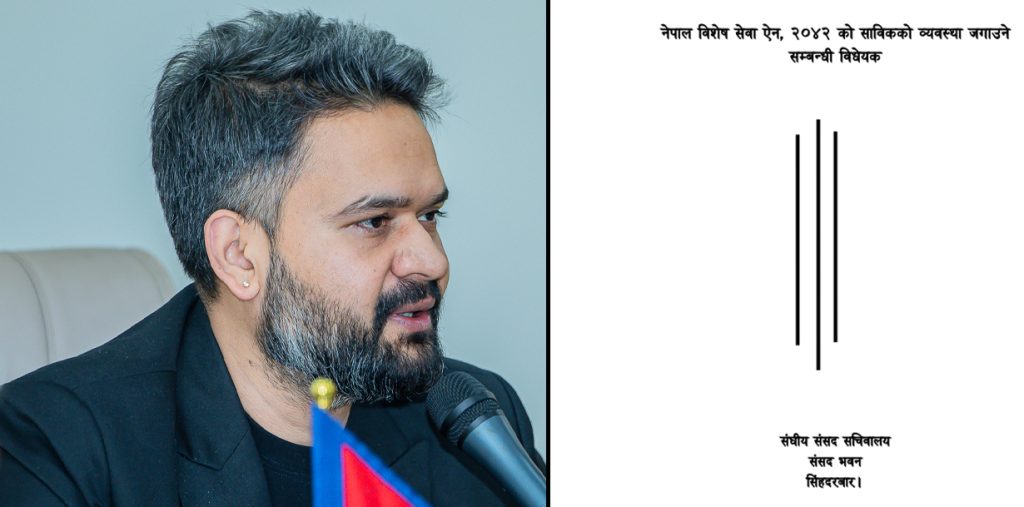
The Communist Party of Nepal (CPN) has demanded that the National Investigation Department (NID) not be placed under the Prime Minister's purview. CPN lawmakers have submitted an amendment proposal to the relevant bill, advocating for the intelligence agency to be placed under the Ministry of Home Affairs. The government has introduced a bill to amend the Nepal Special Service Act 2042, which would bring the intelligence services under the Prime Minister's Office and the Council of Ministers. This move by the government has sparked opposition from within the ruling party itself. The proposed legislation aims to consolidate intelligence gathering and oversight mechanisms. The CPN's proposed amendment seeks to decentralize control over intelligence operations, arguing for greater accountability and potentially a more apolitical functioning of the NID. The specific details of the amendment and the CPN's rationale are expected to be further debated in the legislature. The current structure places significant power within the Prime Minister's Office regarding national security matters.
The proposal to shift the National Investigation Department's oversight from the Prime Minister's Office to the Ministry of Home Affairs reflects a tension between centralized executive control and a desire for a more decentralized, potentially less politicized intelligence apparatus. This debate highlights systemic questions about the balance of power in national security decision-making and the potential for undue influence on intelligence gathering and analysis. In the context of evolving governance models and the increasing importance of data integrity, such structural adjustments can impact operational independence and public trust. The long-term implications may involve how this organizational choice affects the agency's ability to provide objective assessments, particularly as technological advancements reshape intelligence capabilities over the next decade.
AI-generated to prompt reflection — not editorial opinion, not advice, not a statement of fact. How this works.