Community benefits from tree planting during monsoon season
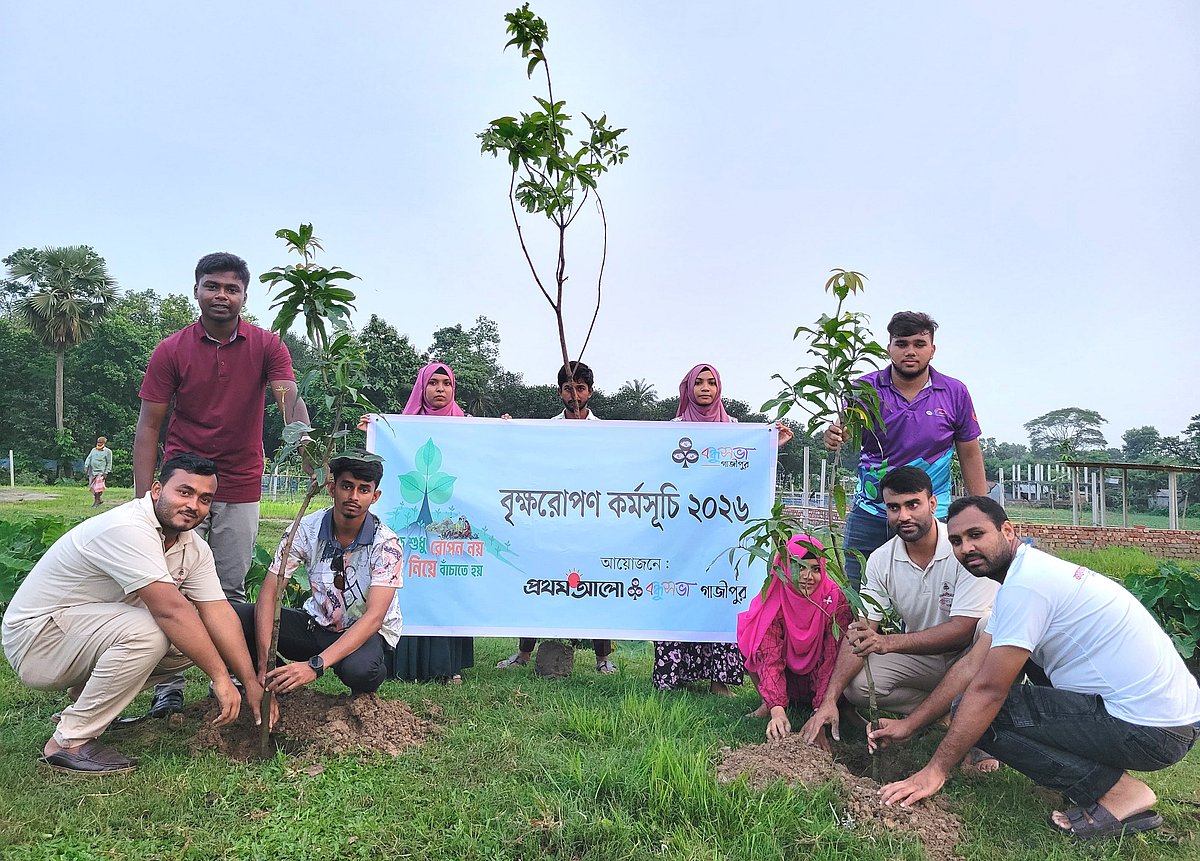
Four gardens, both large and small, have been established in Ward 23, encompassing three educational institutions and four unused plots of land. The schools involved are Chhomiruddin High School, Abirbhab Kindergarten School, and Sautul Quran Madrasa. Additionally, trees were planted in four vacant, uncultivated areas within the Mondalpada neighborhood. The saplings planted included a variety of six species of fruit-bearing, timber, and medicinal trees, such as mango, jamun, neem, Krishnachura, koroi, and mahogany. Residents expressed significant benefit from receiving saplings during the monsoon season, indicating a successful community engagement initiative for greening and environmental improvement.
The initiative to plant diverse tree species across educational and public spaces highlights a community-driven approach to environmental enhancement. By distributing saplings during the monsoon, the project leverages optimal planting conditions, increasing survival rates and fostering a sense of shared responsibility. This strategy not only aims to improve local aesthetics and biodiversity but also potentially offers long-term ecological and economic benefits through fruit and timber yields. The success of such programs often depends on sustained community involvement and municipal support for ongoing maintenance and protection of the newly planted trees, ensuring their growth into a lasting green asset.
AI-generated to prompt reflection — not editorial opinion, not advice, not a statement of fact. How this works.