Community Divided: Vigilantism Replaces Unity Against Xenophobia in South African Settlement
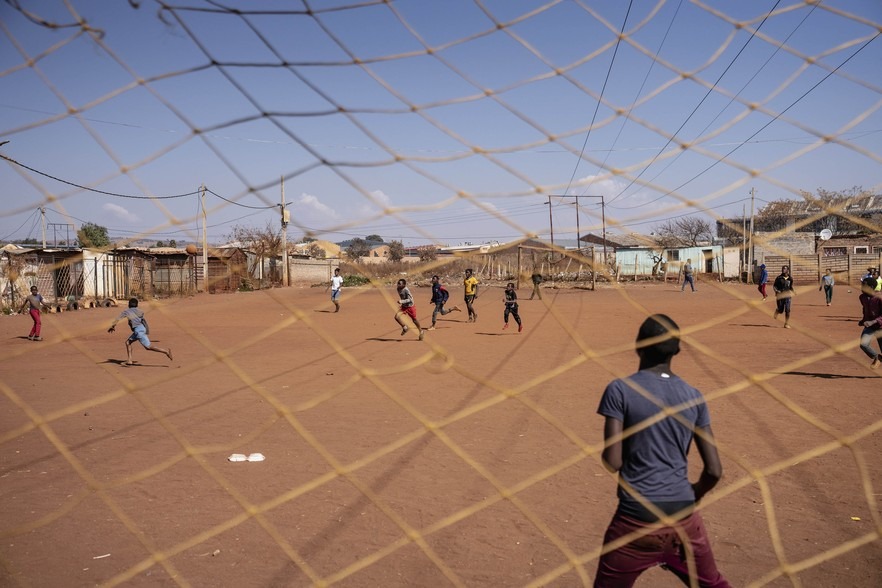
The Thembelihle informal settlement, located near Johannesburg, South Africa, which was once lauded for its united stance against xenophobia in 2008, is now experiencing a significant exodus of residents. This shift indicates a deep division within the community that has emerged due to vigilantism. The initial unity against xenophobia, a notable achievement for the settlement, has been eroded, leading to fear and displacement among its inhabitants. The current situation contrasts sharply with the community's past efforts to foster inclusivity and reject prejudice. The rise of vigilantism suggests underlying tensions and a breakdown in established community safety mechanisms. Residents are now choosing to leave their homes rather than face the consequences of this internal conflict. This transformation highlights the fragility of social cohesion when confronted with new forms of unrest and fear. The displacement of people from Thembelihle underscores the severe impact of such divisions on vulnerable communities.
The transformation of Thembelihle from a symbol of anti-xenophobic unity to a site of community division due to vigilantism warrants examination of governance and social cohesion dynamics. The shift suggests that underlying socio-economic pressures or perceived failures in formal security structures may have created a vacuum, leading to the rise of informal, and potentially destabilizing, justice mechanisms. This evolution presents a challenge for public policy, highlighting the need to address root causes of insecurity and foster inclusive community development to prevent the recurrence of such divisions. Future interventions should focus on strengthening formal institutions and promoting dialogue to rebuild trust and ensure the long-term stability of communities facing similar pressures.
AI-generated to prompt reflection — not editorial opinion, not advice, not a statement of fact. How this works.