Community Focus in Crime Prevention: Lessons from Colombia's Parceros Program
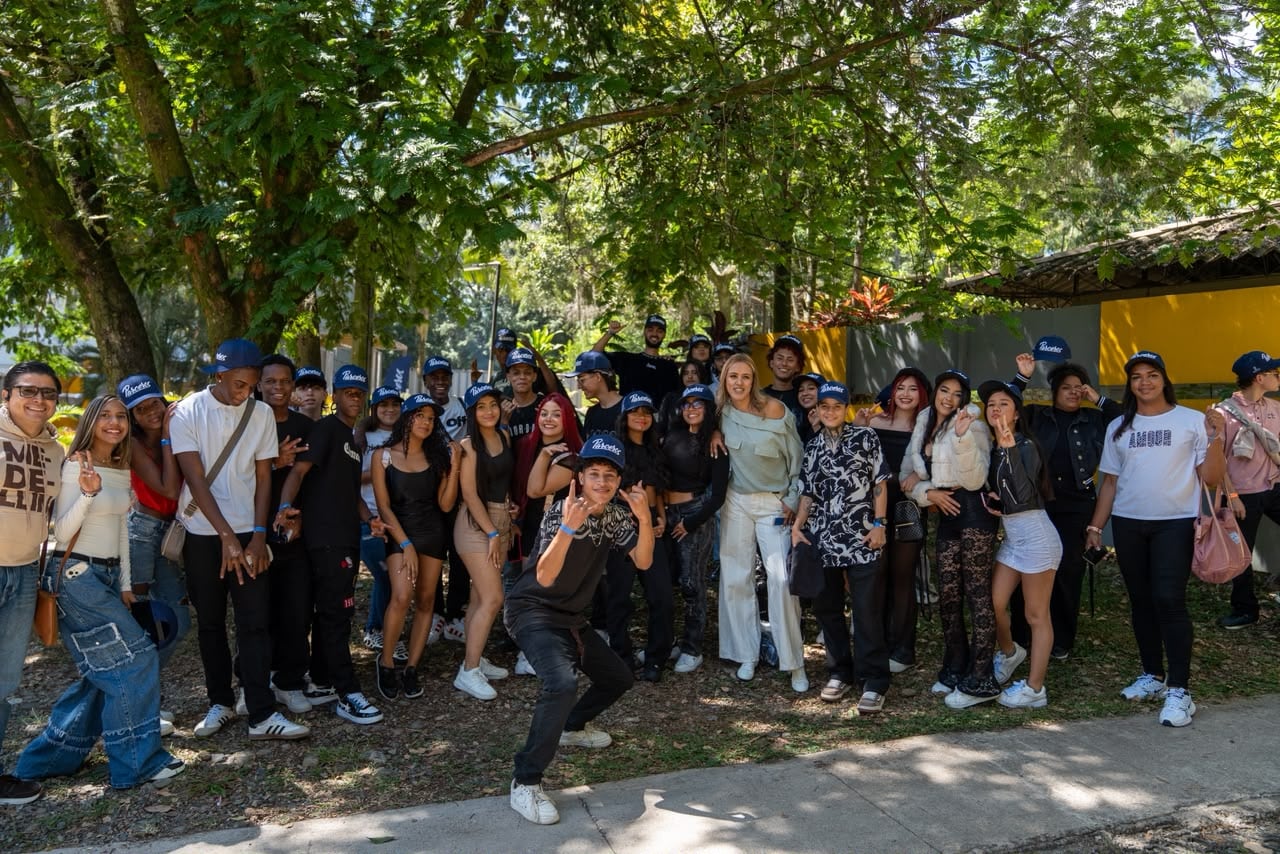
On July 30, CESCRO at the Universidad San Sebastián hosted an international seminar on organized crime, featuring Paulina Patiño, director of Medellín, Colombia's Parceros program. Patiño highlighted the enduring value of community-based approaches, which have become neglected by political elites in many regions. Both left and right political factions have drifted from human-centered principles that prioritize human dignity and the common good, losing focus on the collective 'we'. The rise of radical individualism is often attributed to a postmodern cultural ethos that emphasizes empowered individuals and a market-driven society, where personal autonomy and fragmented social experiences are paramount. In this context, programs like Parceros, which focus on social regeneration, are often deemed inefficient and costly. The Parceros program in Colombia has successfully supported over 9,000 children, adolescents, and young adults to prevent criminal recruitment. It specifically aids young people who are neither studying nor employed and reside in vulnerable neighborhoods, demonstrating significant effectiveness. The initiative's emphasis on resilience and second chances for vulnerable youth requires substantial social, economic, and political commitment, rooted in genuine care for these individuals. The author questions whether a program like Parceros could be sustained through public-private partnerships in various municipalities, acknowledging the difficulty due to its perceived conflict with current public policy diagnoses. Such programs might be viewed as prohibitively expensive with uncertain outcomes, leading to a preference for reactive measures like law enforcement and prosecution, which align with the notion of individual criminal responsibility.
The seminar and discussion around the Parceros program highlight a tension between individualistic policy frameworks and community-centered interventions in addressing complex social issues like organized crime. While current public policy in some regions may prioritize individual accountability and market-driven solutions, the demonstrated success of community-based programs like Parceros suggests that fostering social cohesion and providing second chances can be a more effective, albeit potentially more resource-intensive, preventative strategy. The challenge lies in aligning governance structures and funding models to support initiatives that address the root causes of vulnerability, rather than solely focusing on reactive enforcement. Future policy design may benefit from integrating evidence-based community engagement models to build societal resilience and mitigate the appeal of criminal organizations, particularly in vulnerable populations.
AI-generated to prompt reflection — not editorial opinion, not advice, not a statement of fact. How this works.
