Compact Apartments Gain Traction in Bauru's Real Estate Market
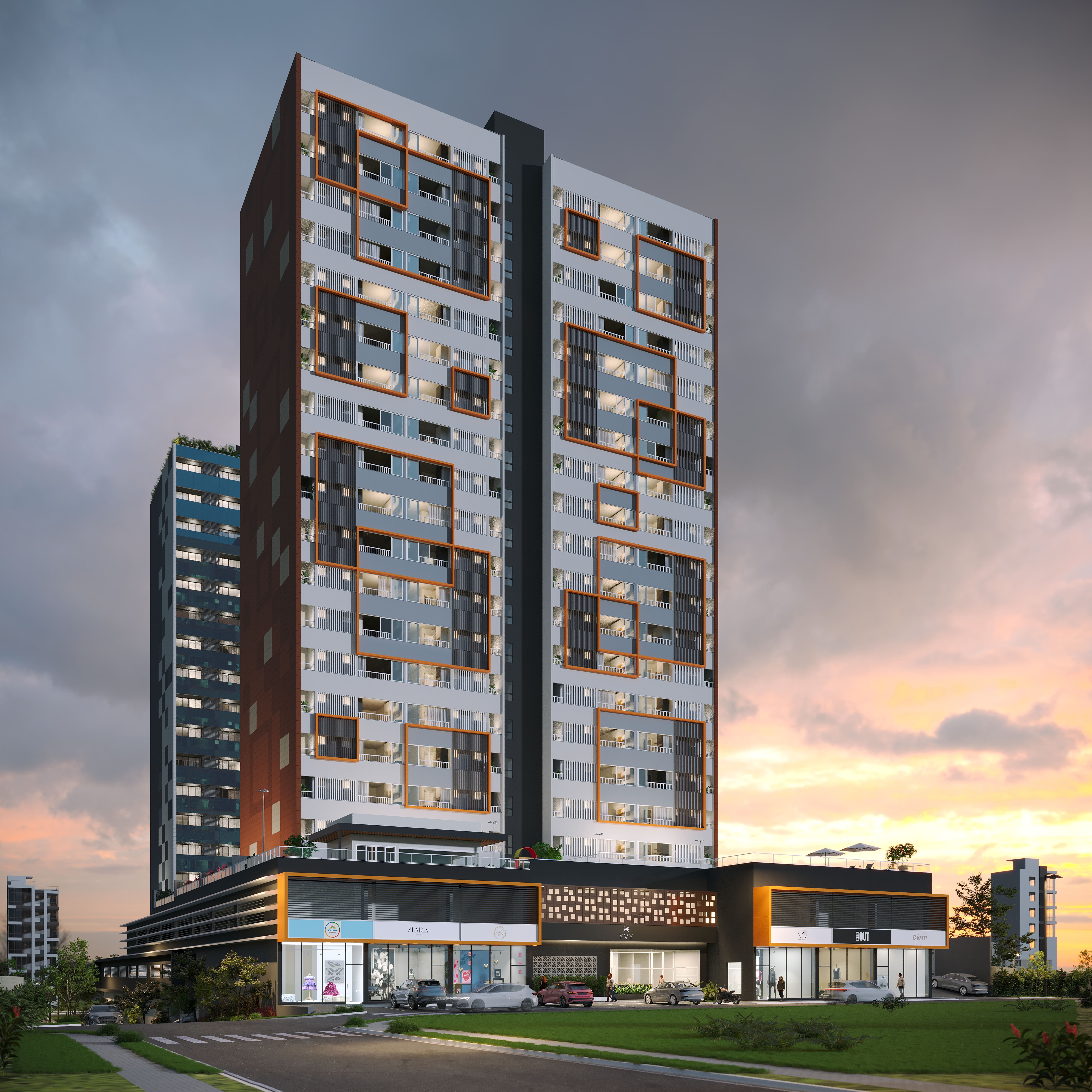
The demand for compact apartments is growing in Brazil's real estate market, with this trend now gaining momentum in inland cities like Bauru. This shift is driven by a desire for practicality and lower operational costs, aligning with changes in Bauru's demographic profile and urban dynamics. Prospective buyers and investors are increasingly prioritizing functionality, convenience, and intelligent space utilization, making smaller apartments an attractive option for young professionals, students, couples, and single individuals. The concept has evolved beyond mere space-saving, now emphasizing integrated living areas, functional solutions, and a more streamlined daily experience, mirroring trends seen in major capitals like São Paulo. These compact units offer greater liquidity, ease of rental, and reduced operating expenses, appealing to investors focused on profitability and versatility. Developments are also catering to short- and long-term rental demands, providing well-located spaces adapted to contemporary urban living. Innovative interior design, including custom cabinetry and strategic lighting, maximizes privacy and comfort within these smaller footprints. The rise of compact living reflects a broader transformation in housing preferences, with projects like Construtora Dinâmica's YVY Home in Bauru exemplifying this trend. Construtora Dinâmica, with over 26 years of experience and 40 completed projects in Bauru, has seen success with compact developments such as Fly Residence and Next Lounge Home, reinforcing confidence in this investment model. The introduction of 23 m² and 37 m² units in the second phase of YVY Home signifies Bauru's embrace of a future-oriented living concept that blends urban convenience with well-designed, compact spaces.
The increasing popularity of compact housing in Bauru reflects a broader societal shift towards prioritizing efficiency and affordability in urban living, driven by evolving demographic patterns and economic pressures. This trend suggests a growing segment of the population, particularly younger demographics and investors, values mobility and lower overhead over larger living spaces. The real estate sector's adaptation to these preferences, through innovative design and integrated amenities, indicates a response to market demand for functional, experience-oriented living solutions. As urban centers continue to densify and living costs rise, the appeal of well-designed, compact residences is likely to persist, potentially influencing future urban planning and construction standards to accommodate more efficient use of space and resources.
AI-generated to prompt reflection — not editorial opinion, not advice, not a statement of fact. How this works.