Companies Face Double AI Costs, Microsoft CEO Warns of Trap He Helped Create
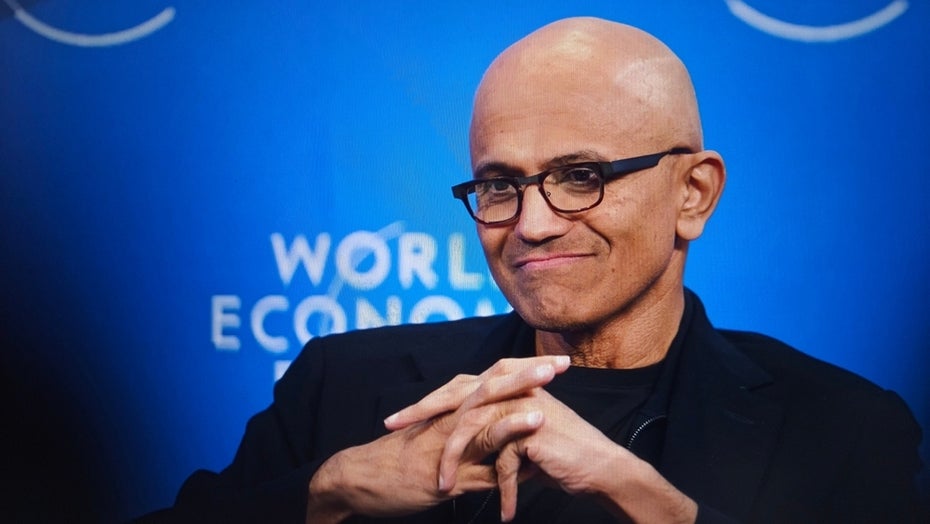
Microsoft CEO Satya Nadella has highlighted a significant cost trap that businesses are falling into as they adopt artificial intelligence technologies. In a recent post, Nadella explained that companies are inadvertently surrendering their most valuable proprietary knowledge to AI providers. This occurs through a phenomenon he termed the 'Reverse Information Paradox.'
This paradox describes how the very act of training AI models with a company's internal data can lead to that data being absorbed and potentially exploited by the AI provider. Consequently, businesses may end up paying multiple times for their data: first, for the AI services themselves, and second, for the loss of their unique competitive advantage as their know-how becomes embedded in the AI models. Microsoft, as a major AI provider, stands to benefit significantly from this dynamic, as it gains access to a vast pool of corporate intelligence through its AI offerings.
The 'Reverse Information Paradox' described by Satya Nadella points to a fundamental tension in the current AI development paradigm. While companies seek to leverage AI for efficiency and innovation, the underlying business models of AI providers often rely on aggregating and processing vast amounts of data, including proprietary corporate information. This creates an incentive structure where AI providers benefit from data inputs, potentially at the expense of the data's original owners. Businesses must carefully consider data governance and intellectual property rights when integrating AI solutions, as the long-term value of their unique knowledge could be eroded. Future AI architectures may need to prioritize privacy-preserving techniques and decentralized data ownership to mitigate such risks and ensure a more equitable distribution of value.
AI-generated to prompt reflection — not editorial opinion, not advice, not a statement of fact. How this works.