Companies Face Higher Prices Due to War Risk, Trump Tariff Threat
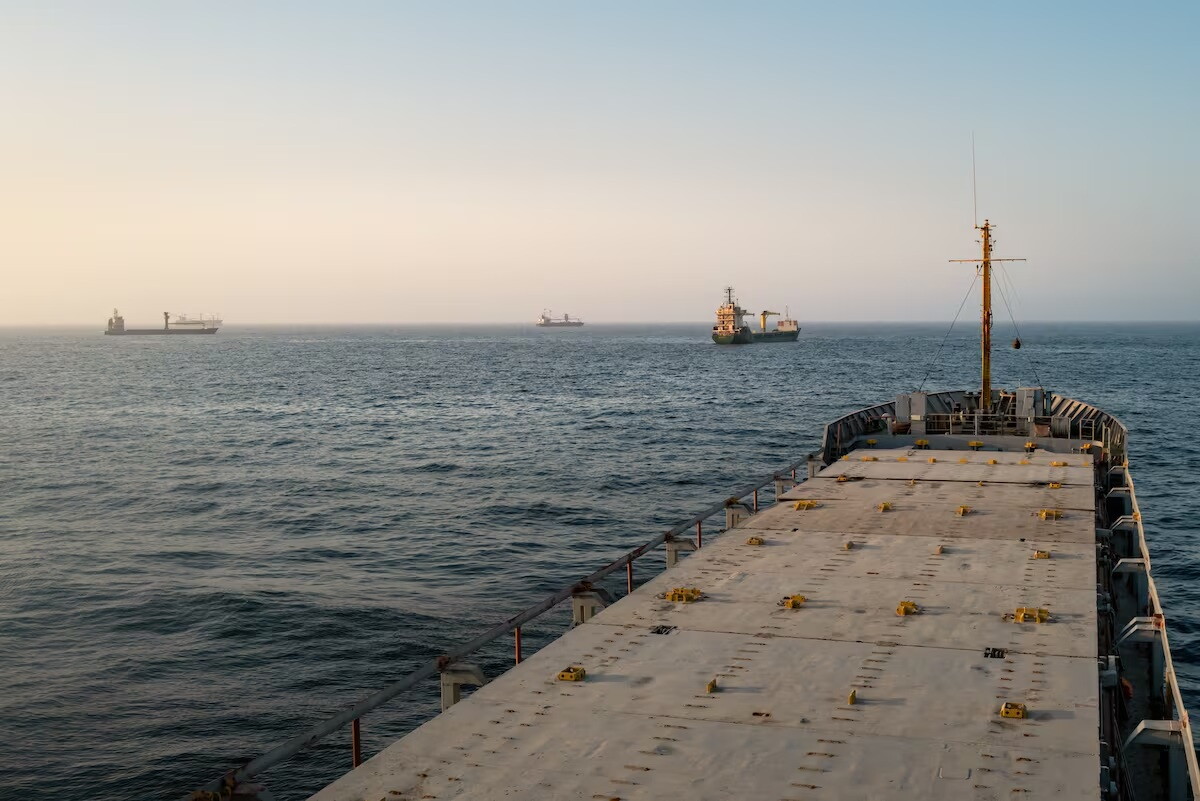
Businesses are bracing for increased costs as geopolitical tensions rise, particularly concerning the Strait of Hormuz. President Donald Trump's recent threat to impose a 20% tariff on all cargo passing through the vital waterway could potentially double shipping expenses. This potential tariff, if enacted, would significantly impact global trade routes and the cost of goods. The threat highlights the financial implications of international conflict and trade policy shifts for corporations. Companies are likely evaluating supply chain vulnerabilities and exploring strategies to mitigate the financial burden of such disruptions. The situation underscores the interconnectedness of global politics and business economics. The Strait of Hormuz is a critical chokepoint for oil and gas shipments, making any disruption there highly consequential for energy markets and broader economic stability. The potential doubling of shipping costs would ripple through various industries, affecting consumer prices and corporate profitability.
The proposed tariff on cargo transiting the Strait of Hormuz introduces a significant cost-push inflationary pressure on global supply chains. This policy intervention, framed as a response to geopolitical risk, could disproportionately affect industries reliant on maritime transport, potentially leading to reduced consumer purchasing power and increased operational expenses for businesses. The strategic importance of the Strait of Hormuz means that such a tariff could destabilize energy markets and broader international trade dynamics. Companies will likely need to absorb these costs or pass them on, influencing market competition and investment decisions in the medium term. Evaluating the long-term economic viability of trade routes and the resilience of supply chains against such policy-driven risks will be crucial for navigating the evolving global economic landscape.
AI-generated to prompt reflection — not editorial opinion, not advice, not a statement of fact. How this works.