Comparing Student Protests in India and Bangladesh: A July Movement Retrospective
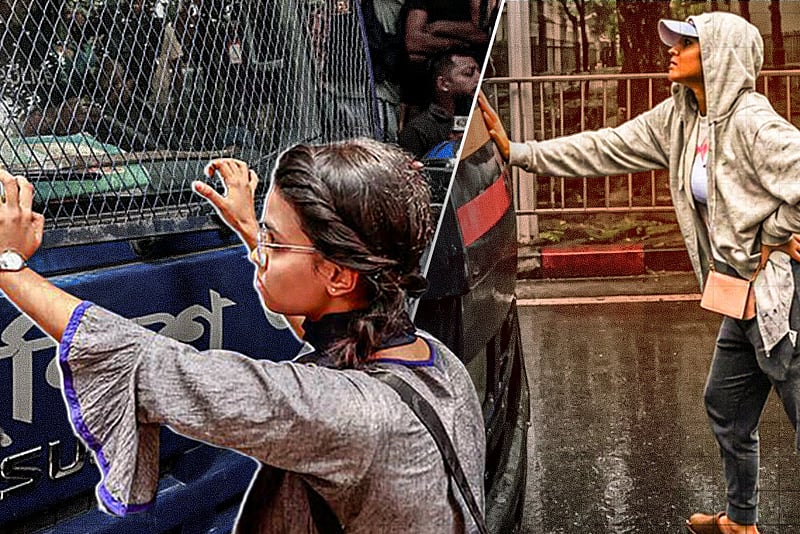
A scene from the July 2024 coup in Dhaka, Bangladesh, saw Nusrat Jahan stopping a prison van on the streets. Nearly two years later, a similar incident occurred in Mumbai, India. This comparison prompts an examination of the extent to which these two movements share commonalities.
The article suggests a video analysis to explore these parallels, implying that while superficial similarities might exist, a deeper understanding of their contexts, demands, and outcomes is necessary. The comparison between the Dhaka event involving Nusrat Jahan and the Mumbai incident highlights the potential for visual parallels in protest actions. However, the core of the analysis likely lies in dissecting the underlying socio-political factors driving each movement.
The juxtaposition of protest events in Dhaka and Mumbai invites an examination of shared tactics and potential cross-pollination of activist strategies. While visual resemblances in protest actions can be striking, the underlying drivers, political contexts, and ultimate objectives of such movements often diverge significantly. Analyzing these events requires a nuanced understanding of each nation's specific socio-political landscape, governance structures, and the unique grievances that mobilize citizens. Future-oriented analysis should consider how digital communication platforms might amplify or distort perceptions of solidarity between disparate protest movements, and whether such perceived commonalities translate into sustained, impactful political change beyond symbolic gestures.
AI-generated to prompt reflection — not editorial opinion, not advice, not a statement of fact. How this works.