Concentrated Stock Markets: How a Few Companies Can Dictate Index Performance
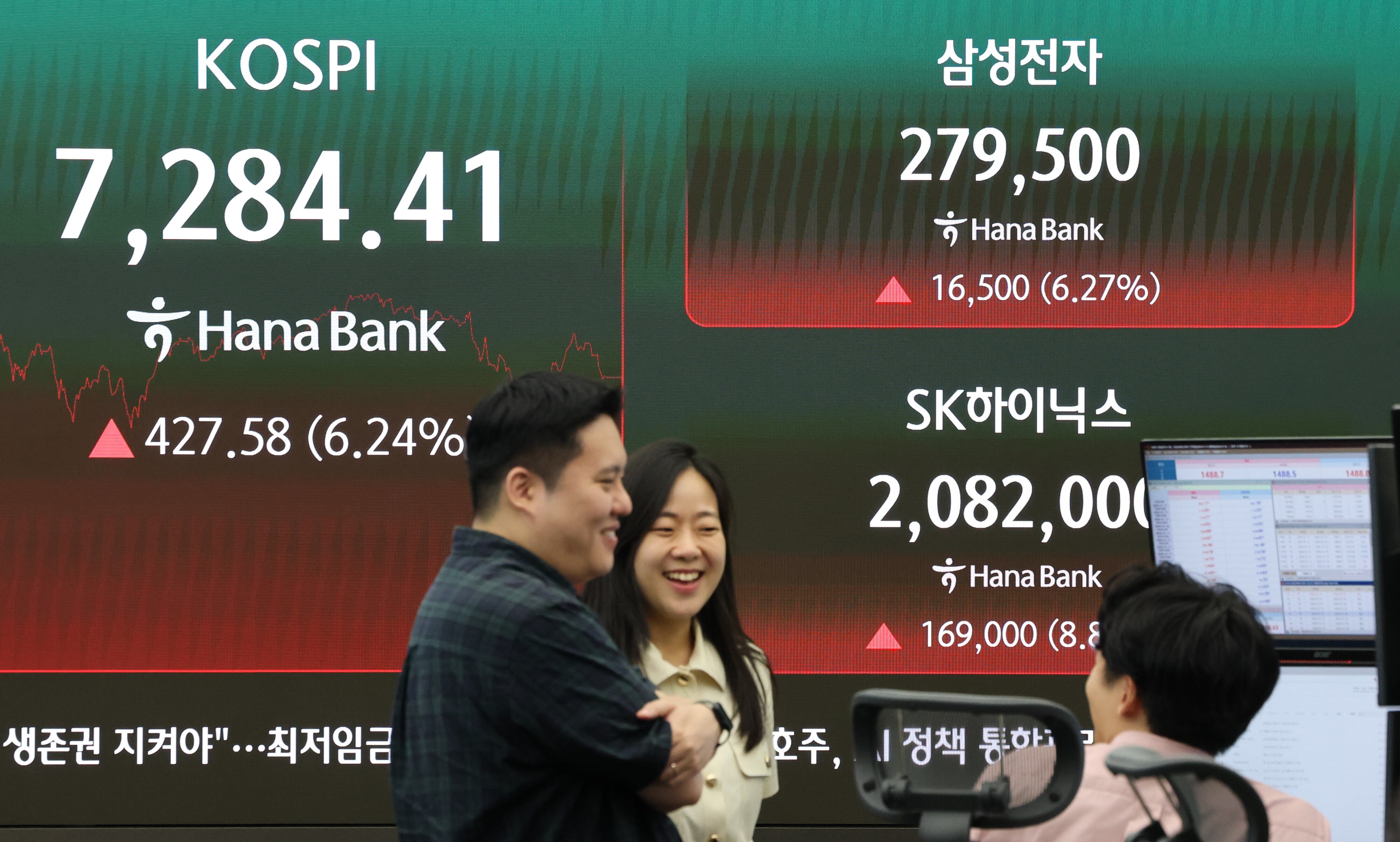
In certain stock markets, the performance of just one or two major companies can significantly influence the overall direction of the index. This phenomenon is particularly evident in highly concentrated markets where a few dominant firms hold substantial sway. For instance, in some indices, a single company's stock can represent over 40% of the total index value. This concentration means that fluctuations in the share price of these few key companies can disproportionately affect the index's performance, potentially overshadowing the movements of many other listed companies. Examples of such concentrated markets can be found in places like Taiwan and South Korea, where technology giants often play a pivotal role in market dynamics. Investors in these markets need to be aware of this concentration risk, as the fortunes of the broader index are heavily tied to the success or failure of a small number of corporations.
The concentration of market capitalization in a few dominant companies presents a systemic risk, as index performance becomes highly sensitive to the fortunes of a small corporate cohort. This structure can obscure underlying economic trends and create a misleading impression of market health. From a governance perspective, the influence of these few firms on index composition and investor flows warrants scrutiny. As artificial intelligence increasingly influences trading strategies and portfolio allocation, understanding these concentrated market dynamics will be crucial for identifying potential fragilities and ensuring more resilient investment landscapes over the next decade. Investors must weigh the potential for outsized gains against the amplified risk of sharp corrections driven by a limited number of corporate events.
AI-generated to prompt reflection — not editorial opinion, not advice, not a statement of fact. How this works.