Concerns Over 'Fake News Eradication Act' Chilling Media Freedom
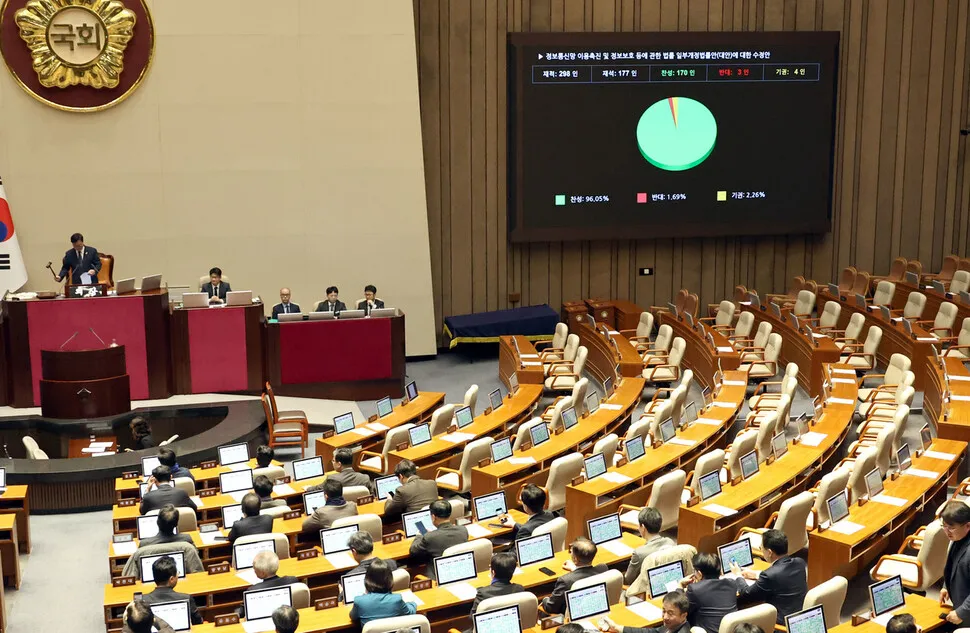
A recent editorial expresses significant concerns that the proposed 'Fake News Eradication Act' in South Korea could lead to a chilling effect on press freedom. The article argues that the legislation, while ostensibly aimed at combating disinformation, carries the risk of being misused to suppress legitimate reporting and stifle critical voices. The editorial highlights the potential for ambiguity in defining 'fake news' and the broad powers granted under the act, which could be leveraged to target journalists and media outlets. This raises fears of a more controlled media environment, where self-censorship becomes prevalent due to the threat of legal repercussions. The piece emphasizes the delicate balance required between addressing the spread of false information and upholding the fundamental right to freedom of the press. It suggests that alternative approaches focusing on media literacy and platform accountability might be more effective without infringing on journalistic liberties. The editorial calls for careful reconsideration of the bill's provisions to ensure it does not inadvertently undermine the democratic function of a free press.
The proposed 'Fake News Eradication Act' presents a complex governance challenge, balancing the societal need to combat disinformation against the imperative of preserving freedom of expression. The legislation's broad scope and potential for subjective interpretation could create an environment where media organizations face increased regulatory scrutiny, potentially impacting investigative journalism and public discourse. From a systems perspective, the effectiveness of such punitive measures in eradicating disinformation is debatable, as they may inadvertently drive malicious content to less regulated platforms or foster a climate of fear that stifles legitimate reporting. Future policy discussions should consider incentive structures that promote media accountability and transparency, alongside robust public education initiatives, to foster a more resilient information ecosystem without compromising fundamental rights.
AI-generated to prompt reflection — not editorial opinion, not advice, not a statement of fact. How this works.