Concerns Over Foreign Land Acquisition in Uzbekistan
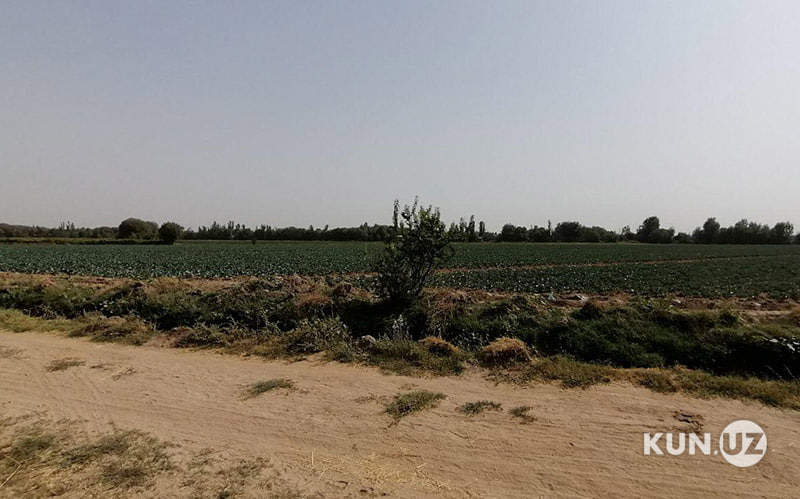
Recent discussions on social media have raised concerns regarding the sale of land in Uzbekistan to foreign companies, particularly those from China. Allegations suggest that significant territories are being allocated to Chinese investors. These allocations, often made for large investment projects, are being interpreted by some as a transfer of the country's land into foreign hands. The public discourse highlights anxieties about the implications of such land deals for national ownership and control. The situation has prompted discussions about the legal guarantees in place to protect Uzbekistan's land resources while still encouraging foreign investment. The government's approach to balancing economic development with national interests is under scrutiny.
The public's apprehension regarding foreign land acquisition, particularly by Chinese entities, reflects a common tension between attracting foreign direct investment (FDI) for economic growth and preserving national sovereignty over strategic resources like land. While FDI can bring capital, technology, and job creation, concerns about land alienation can stem from historical precedents or fears of undue external influence. The legal and regulatory frameworks governing such transactions are crucial. Ensuring transparency, fair market value, and clear long-term benefits for Uzbekistan, alongside robust oversight mechanisms, will be key to mitigating these concerns. Future policy decisions will need to navigate the complex interplay of economic incentives, geopolitical considerations, and public sentiment to foster sustainable development without compromising national interests.
AI-generated to prompt reflection — not editorial opinion, not advice, not a statement of fact. How this works.