Concerns Remain Over Proposed Revisions to Japan's Retrial System
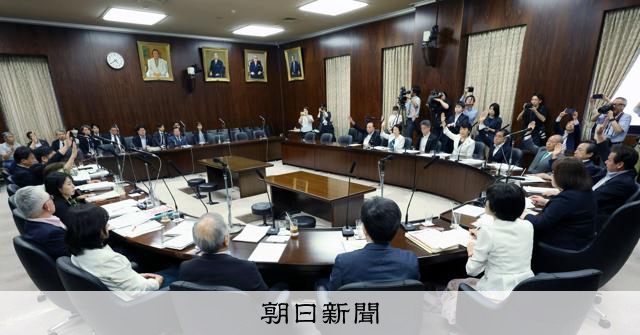
Japan is considering significant revisions to its retrial system, but critics argue that the proposed legal amendments fail to adequately address the issue of evidence concealment. A central concern is that the current proposals may not be sufficient to prevent authorities from hiding or destroying crucial evidence that could exonerate defendants. This potential for continued evidence suppression raises serious questions about the fairness and effectiveness of the revised system.
The proposed changes aim to modernize the retrial process, which has long been criticized for its rigidity and susceptibility to errors. However, the lack of robust mechanisms to ensure the preservation and disclosure of all relevant evidence is a major drawback. Without stronger safeguards, there is a risk that past miscarriages of justice might be perpetuated, as defendants may still be unable to access the evidence needed to prove their innocence. The debate highlights the delicate balance between streamlining legal procedures and upholding the fundamental right to a fair trial.
The proposed revisions to Japan's retrial system appear to grapple with the perennial challenge of ensuring due process in the face of potential institutional inertia. While aiming for modernization, the identified concerns about evidence concealment suggest a possible systemic vulnerability. The core tension lies in balancing the state's interest in finality of judgments with the individual's right to a fair review when new evidence emerges or existing evidence is questioned. Future iterations of such legal reforms will likely need to incorporate more stringent, technologically-supported protocols for evidence management and disclosure, moving beyond procedural adjustments to address the root causes of potential bias or suppression. This could involve independent oversight mechanisms or mandatory digital archiving to mitigate the risks highlighted by critics.
AI-generated to prompt reflection — not editorial opinion, not advice, not a statement of fact. How this works.