Conciliation Train Project to Offer Free Legal Services in Maranhão
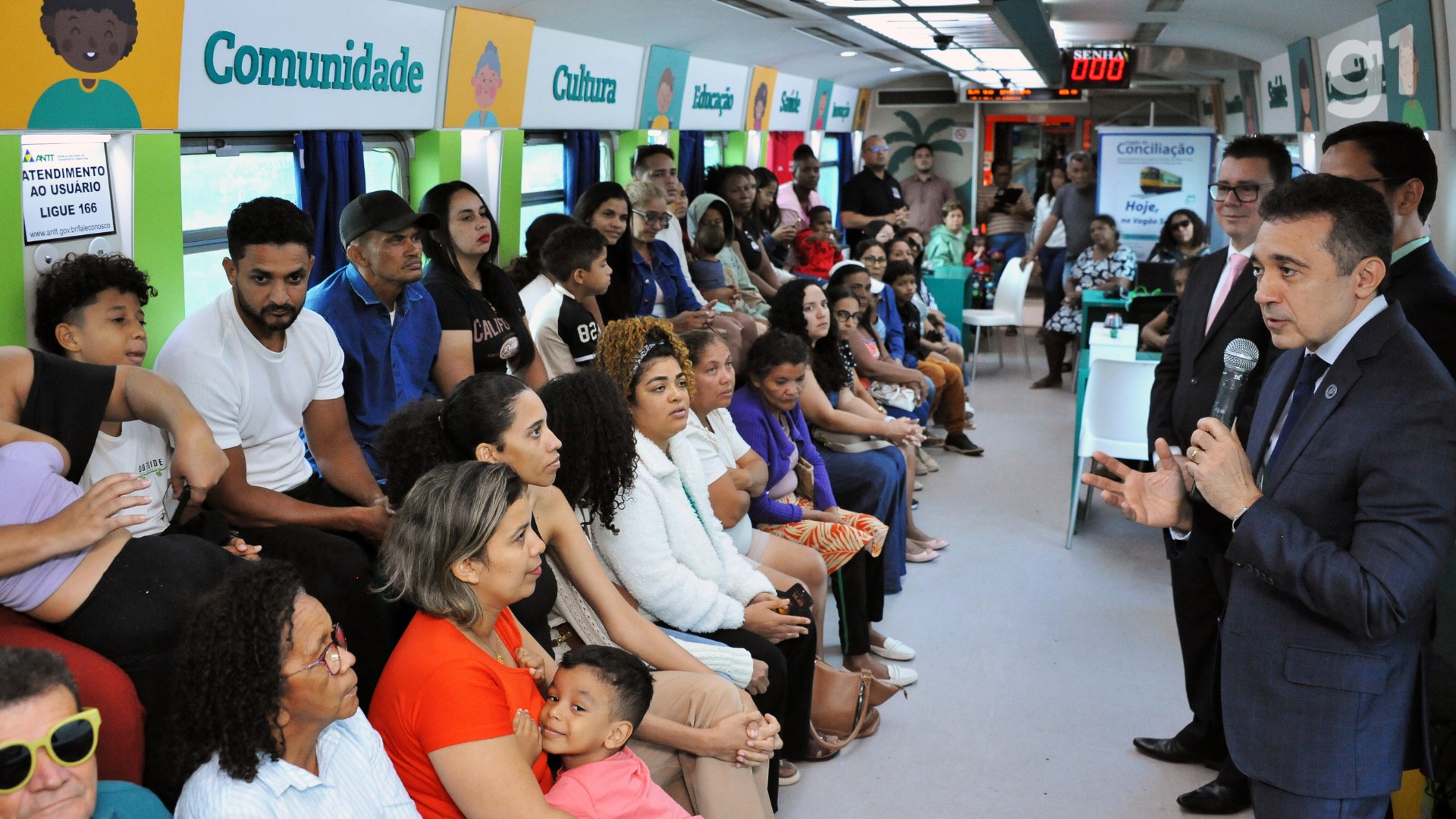
The "Vagão da Conciliação" (Conciliation Train) project, organized by the Court of Justice of Maranhão (TJMA), is set to launch a new edition on August 3rd and 4th. This initiative will provide free services aimed at the consensual resolution of pre-litigation matters. The services will be offered aboard a Vale train traveling along the Carajás Railroad, covering the route between São Luís and Açailândia in Maranhão, Brazil. This particular edition is exclusively for cases that have not yet entered the judicial system. On Monday, August 3rd, services will be available from 8:00 AM to 5:30 PM during the journey from São Luís to Açailândia. On Tuesday, August 4th, the train will operate in reverse, from Açailândia to São Luís, between 12:30 PM and 10:00 PM. The train makes stops in several Maranhão municipalities, including Arari, Vitória do Mearim, Alto Alegre do Pindaré, Santa Inês, Bom Jesus das Selvas, and Buriticupu. Each train journey typically carries around one thousand passengers. Interested individuals must schedule their appointments in advance through the Permanent Center for Consensual Conflict Resolution Methods (Nupemec) by calling (98) 2055-2283 or by completing an electronic form on the TJMA Portal. The project is overseen by Nupemec/TJMA, with Presiding Judge José Nilo Ribeiro Filho and Coordinator Judge Rodrigo Costa Nina leading the efforts.
This initiative demonstrates a creative approach to increasing access to justice by leveraging existing infrastructure, specifically the Carajás Railroad, to deliver legal services directly to communities along its route. By focusing on pre-litigation matters, the project aims to reduce the burden on the formal court system and promote alternative dispute resolution. The success of such programs hinges on effective outreach and accessibility for passengers, particularly those who may face significant barriers to traditional legal aid. Future iterations could explore partnerships with other transportation networks or mobile service units to expand reach and impact, aligning with broader trends in decentralized service delivery and the application of technology to enhance public services in the digital age.
AI-generated to prompt reflection — not editorial opinion, not advice, not a statement of fact. How this works.