Condominium common areas evolve into vital health and wellness hubs post-pandemic
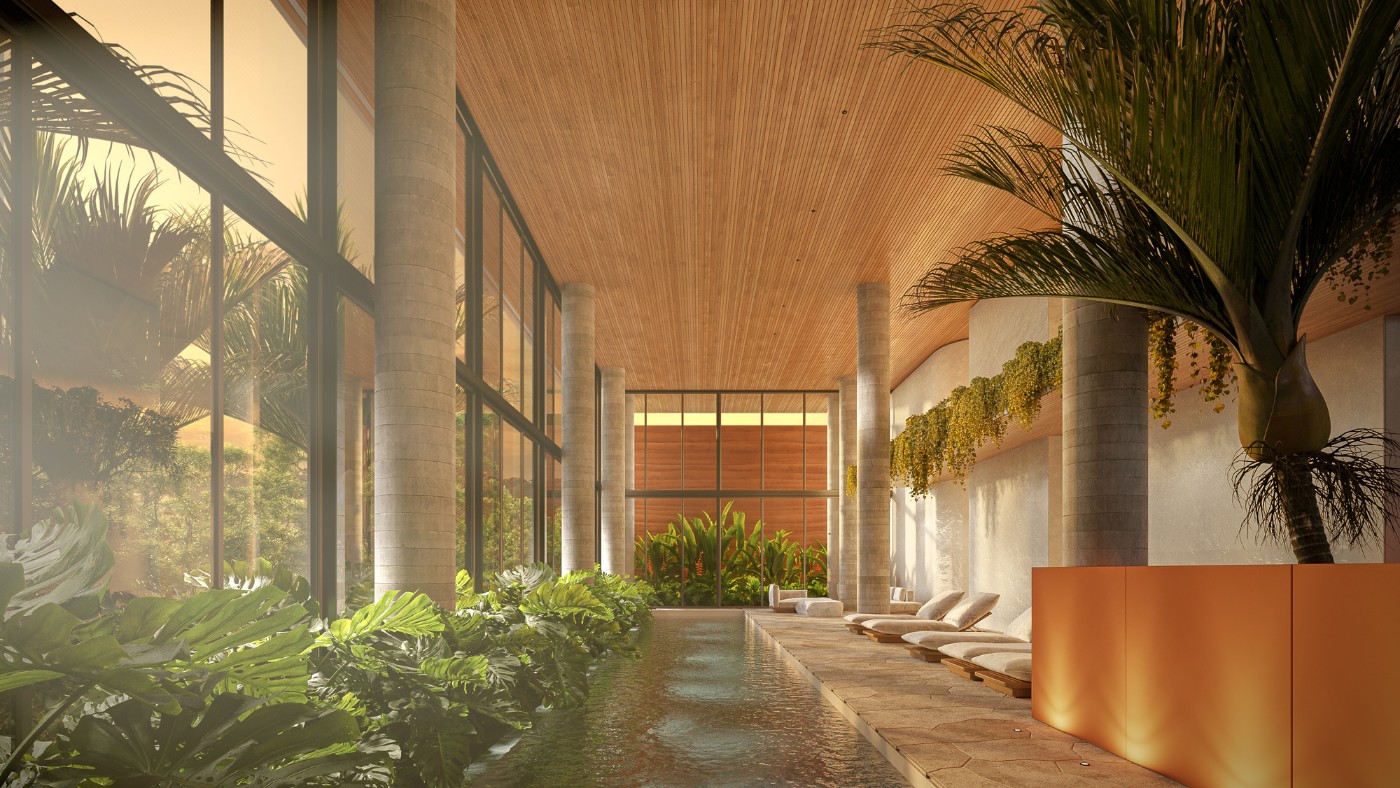
Common areas in residential condominiums, once considered supplementary amenities like gyms and party rooms, have become strategically vital spaces following the COVID-19 pandemic. The confinement experienced by residents highlighted the importance of accessible areas for physical activity, social interaction, and overall well-being. Condominiums offering a diverse range of thoughtfully designed spaces now stand out from those with only basic facilities. This evolution has led to the inclusion of more sophisticated amenities such as pilates studios, yoga rooms, spas, multi-sport courts, contemplation areas, and creative spaces in higher-end developments.
The direct link between the built environment and physical activity is evident, with proximity to exercise facilities significantly increasing resident participation. Beyond physical health, these spaces are increasingly designed to support mental well-being through areas for contemplation, relaxation, and social connection, reflecting a holistic understanding of health. The design of these common areas, incorporating elements like natural light, inviting aesthetics, and neuroscience-informed principles, subtly encourages healthier behaviors by working with human biology rather than against it.
An example of this integrated approach is the Tauá development by Dreamis Incorporadora in Juvevê, launched in December 2025. It features over 3,000 square meters of common areas dedicated to movement, contemplation, creation, and connection, including yoga spaces, contemplation gardens, an art studio, and social interaction zones. Architects emphasize that these spaces are intentionally designed to foster integral well-being, ensuring that movement dialogues with deceleration and exercise complements social opportunities. This paradigm shift, where common areas are viewed as opportunities to genuinely impact residents' health and quality of life, is now a consolidated trend, influencing property valuation and resident satisfaction.
The post-pandemic shift in condominium design, prioritizing common areas for holistic well-being, reflects a broader societal re-evaluation of living spaces. This evolution moves beyond mere amenity provision to integral community health infrastructure, driven by the understanding that physical and mental health are deeply intertwined with the built environment. The emphasis on diverse, purpose-designed spaces acknowledges individual needs and promotes healthier behaviors by reducing friction and enhancing psychological engagement. This trend suggests a future where residential developments are increasingly judged not just on their units, but on their capacity to foster a supportive ecosystem for resident health and social cohesion, potentially influencing urban planning and real estate market dynamics by rewarding developments that prioritize long-term resident well-being over short-term cost efficiencies.
AI-generated to prompt reflection — not editorial opinion, not advice, not a statement of fact. How this works.